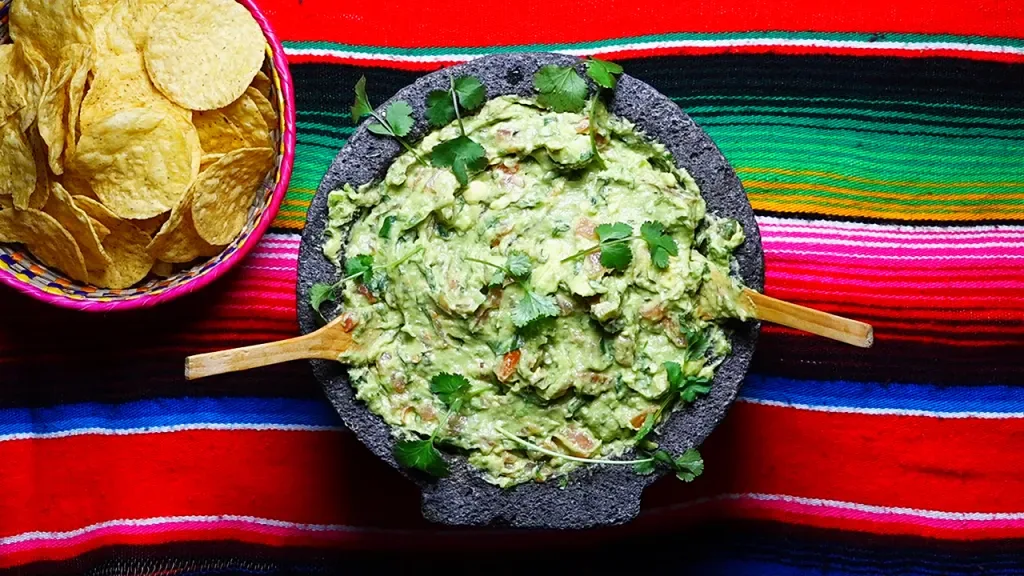
How To Make Guacamole In A Molcajete
Kitchen guide

How To Make Guacamole In A Molcajete

Explore How To Make Guacamole In A Molcajete through the specific situations and details in the selected article.

Arizona kitchens, cuts, and counter know-how
Published August 24, 2026
Briefing

I prefer minimal preparations, and the molcajete makes that goal even easier by concentrating flavor through motion rather than volume.

How to make guacamole in a Molcajete

A practical YouTube walkthrough related to How To Make Guacamole In A Molcajete.

  • Channel: Paul

Video source: Paul

Rapid read

Key takeaways

  • 01Guacamole, and molcajete directly to how to make guacamole in a molcajete, so compare those documented details rather than relying on a reusable editorial frame.
  • 02Crushing the veggies in the molcajete releases a burst of flavor that you won't get from traditional chopping, so you'll need even less veggies to begin with.
01

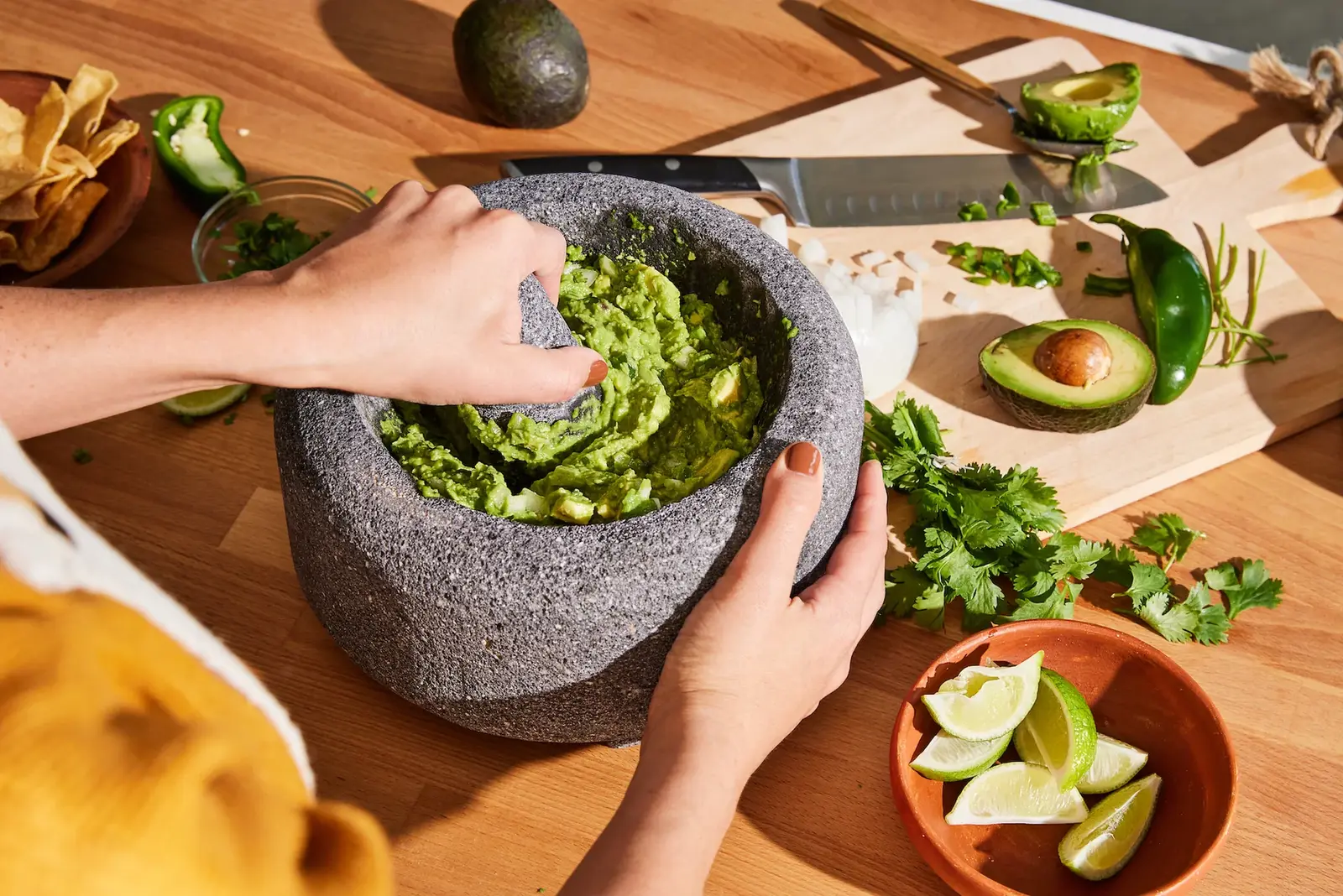
Begin with roughly quartered white onion, half a serrano or jalapeño, and a small bunch of fresh cilantro stems and leaves. Reserve any unused portions for later adjustments, since taste testing during grinding often reveals whether more heat or allium is needed.

A reliable anchor for subsequent batches is a quarter teaspoon of kosher salt for every single avocado. You can begin with less than that amount and reserve the remaining salt for a final correction once the avocado flesh has been incorporated.
How To Make Guacamole In A Molcajete
02

Scoop the peeled flesh from three fully ripe avocados directly into the mortar, then work the pestle in a steady grinding and pressing motion until the fruit loses its separate identity.

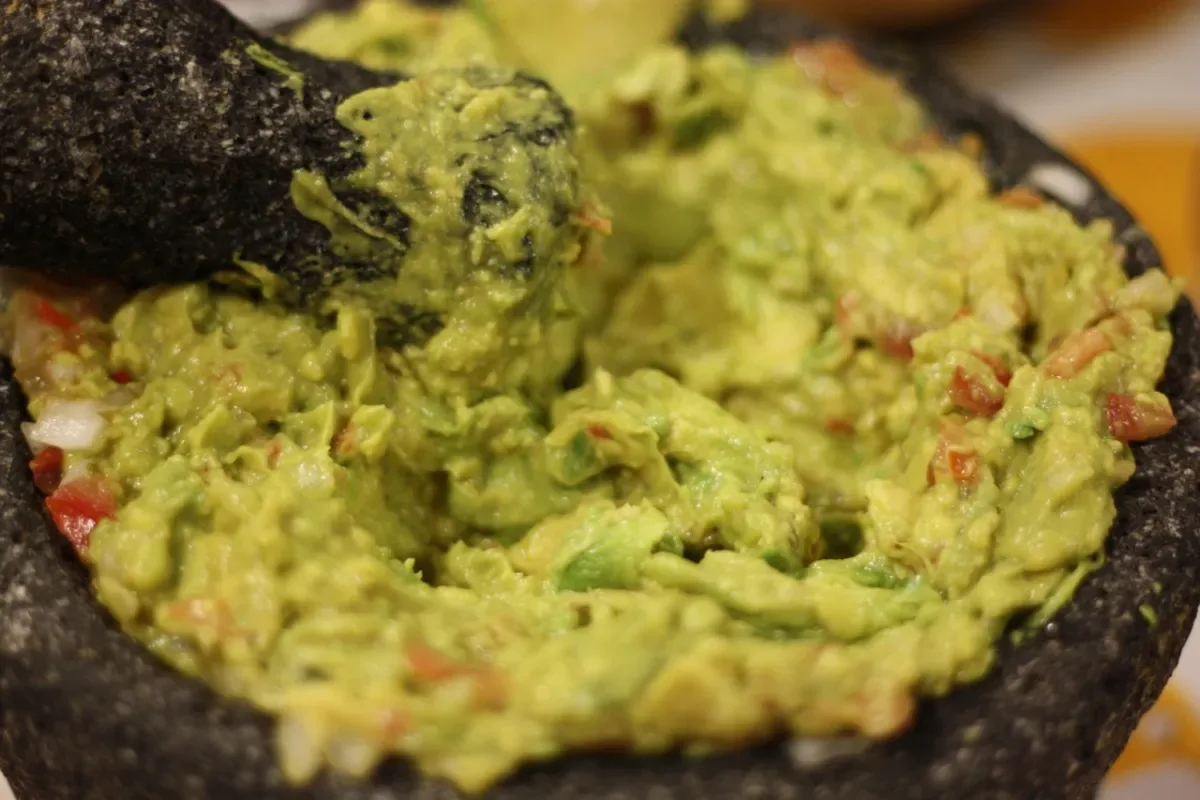
The resistant, creamy blocks quickly collapse into a smooth, cohesive mass that carries the earlier aromatics throughout every bite.

The finished dip often tastes more complete than expected despite relying on only a few components, thanks to the thorough flavor extraction the stone bowl provides.

How To Make Guacamole In A Molcajete
03

A restrained approach works well when the dip will sit inside strongly seasoned tacos, burritos, or enchiladas; the muted onion-jalapeño-cilantro paste lets those outer flavors shine without competition.

Finish with a measured splash of fresh lime juice to lift the entire mixture, then taste once more before adding a final pinch of salt if the avocado still needs support.

The goal is a gentle warmth that recedes behind the creaminess. Should you prefer more noticeable heat, fold in a small amount of the reserved finely chopped jalapeño after the initial mash.

How To Make Guacamole In A Molcajete
04

Consider how the finished guacamole will be used before committing to additional mix-ins. A lightly seasoned version integrates seamlessly into filled tortillas where other proteins and spices already dominate the palate.

When the dip stands alone as a shell-side accompaniment, you may choose to increase the volume of the crushed aromatics or add a second lime squeeze for sharper contrast.

Because the molcajete amplifies each component, this streamlined method tends to become a reliable default, with small end adjustments keeping the profile matched to your exact preference.

FAQ

Frequently asked questions

01How many vegetables are actually necessary?

You only need a small amount because the stone grinder ruptures cell walls completely, releasing far more flavor than diced pieces ever would. Beginning with quartered onion, half a pepper, and a modest cilantro bunch is usually enough; you can always incorporate extra from your reserved scraps.

02Should I measure the salt precisely from the start?

No. Use about a quarter teaspoon per avocado as a starting point, but hold back a portion. Tasting after the avocado is fully mashed lets you correct the seasoning without risking an over-salted batch.

03Why does the dip taste richer than chopped versions?

The grinding action converts the aromatics into a fine paste that coats every avocado particle, creating a unified emulsion. Traditional chopping leaves larger pockets of pure onion or pepper that distribute unevenly.