Molcajete Salsa for Better Results in a Home Kitchen
Kitchen guide

Molcajete Salsa for Better Results in a Home Kitchen

Explore Molcajete Salsa for Better Results in a Home Kitchen through the specific situations and details in the selected article.

Arizona kitchens, cuts, and counter know-how
Published July 23, 2026
Briefing

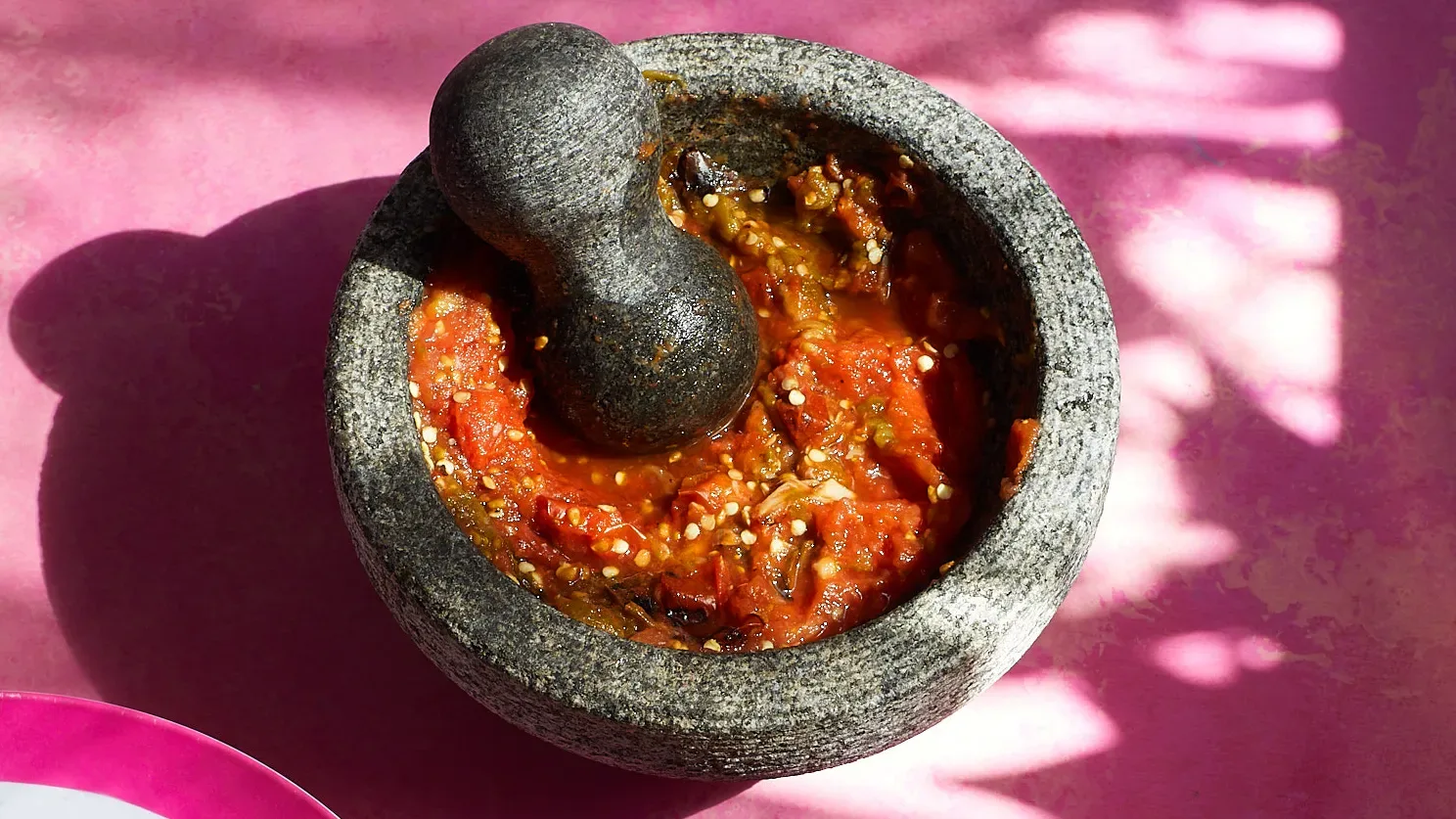
This classic Molcajete Salsa relies on the raw power of roasted vegetables—tomatoes, onions, garlic, cilantro, and spicy chiles—ground together by hand. The result is a chunky, smoky sauce with a texture and depth that blenders simply cannot replicate.

How To Make Salsa De Molcajete

SALSA DE MOLCAJETE - Chef Gustavo Romero of Nixta and Oro in Minneapolis, teaches us how to make this simple salsa that ...

  • Channel: Masienda

Video source: Masienda

Rapid read

Key takeaways

  • 01Molcajete is easier to study when it is tied to a concrete directing choice instead of treated as style decoration.
  • 02Heat a comal, large non stick skillet or cast iron skillet. Wrap the tomatoes in foil and place on comal.
01

The foundation of this salsa lies in how you prepare the ingredients. Begin by heating a comal, a large non-stick skillet, or cast iron over medium-high heat. If using a standard oven or air fryer, refer to your specific appliance instructions, but the goal remains the same: charred, soft vegetables.

Place unwrapped onions, garlic cloves, and fresh chiles directly on the hot surface. Wrap the tomatoes in aluminum foil before placing them on the comal to keep their skins intact while they soften. Turn everything regularly to ensure even cooking. You are looking for a soft texture throughout and visible charring on the outside, which adds that essential smoky note.
Molcajete Salsa for Better Results in a Home Kitchen
02

Once roasted, peel the tomato skins if desired and place the softened vegetables into the molcajete. If you are using dried chiles, rehydrate them in hot water for ten minutes first, then add them along with coarse salt to begin the grinding process.

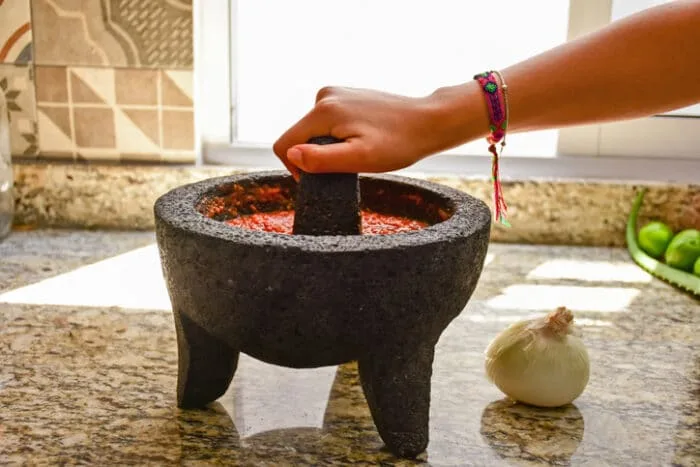
Use the pestle to mash and grind the ingredients. This manual process releases the juices and oils, creating a cohesive paste rather than a chopped salad. The friction of the volcanic rock helps break down the fibers, resulting in a richer mouthfeel. Add fresh cilantro and lime juice at the very end to preserve their bright, herbal notes.

Molcajete Salsa for Better Results in a Home Kitchen
03

While the classic version is iconic, the molcajete is versatile. Swap red tomatoes for tomatillos to create a tangy green salsa (salsa verde), or use a mix of both for complexity. For a sweet and spicy twist, fold in diced mango or pineapple after grinding. If you prefer a creamier consistency, blend a ripe avocado into the finished salsa just before serving.

Molcajete Salsa for Better Results in a Home Kitchen
04

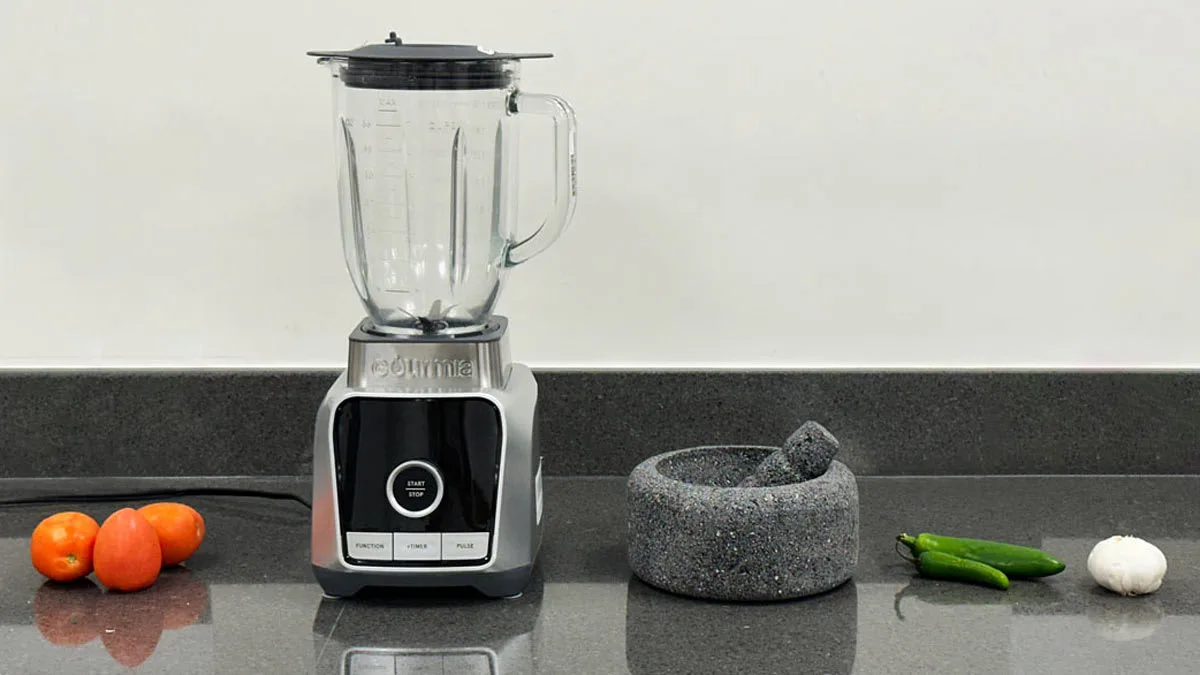
This salsa pairs perfectly with tacos, grilled meats, or drizzled over nachos. If you don’t have a molcajete, you can use a food processor or blender, but be aware that the texture will be smoother and some of the nuanced flavor development from grinding may be lost.

To maintain the longevity of your tool, clean your molcajete with warm water and a soft brush only; avoid soap, which can leave a residue that affects future flavors. Store leftover salsa in an airtight glass container in the refrigerator for up to one week, or freeze it for up to three months.

FAQ

Frequently asked questions

01Can I make molcajete salsa without a molcajete?

Yes, you can use a food processor or blender. However, the texture will be much smoother and less rustic, and you may lose some of the aromatic depth that comes from hand-grinding the spices and vegetables against stone.

02How do I season my new molcajete before first use?

New molcajetes often have loose stone particles. To cure it, grind a handful of uncooked white rice in the bowl until it turns into a fine powder. Discard this powder and repeat once or twice until no more gray dust appears. Then, wash with water and dry thoroughly.

03What is the best way to store leftover salsa?

Transfer the salsa to an airtight glass jar or container. It will keep in the refrigerator for up to one week. For longer storage, freeze it in portions for up to three months, though the texture of the cilantro and onions may soften upon thawing.