How to Build Spicy Chicken Tinga With Sauce That Does Not Turn Watery
Kitchen guide

How to Build Spicy Chicken Tinga With Sauce That Does Not Turn Watery

Help readers cook spicy chicken tinga with a bold sauce that clings to shredded chicken instead of pooling in the pan.

Arizona kitchens, cuts, and counter know-how
Published June 30, 2026
Briefing

The key is sequence. Roast the vegetables so they lose raw water and gain sweetness, brine or properly season the chicken so it stays juicy, blend a sauce with real chile flavor, then simmer it before and after adding the shredded meat. If you add chicken to a thin sauce too early, the meat releases moisture and the whole batch tastes diluted.

Use the checkpoints below for a spicy version that still stays controlled: bright tomatillo tartness, enough chipotle heat to matter, shredded chicken that is moist but not wet, and a final sauce that coats tacos, tostadas, quesadillas, or rice without soaking them.

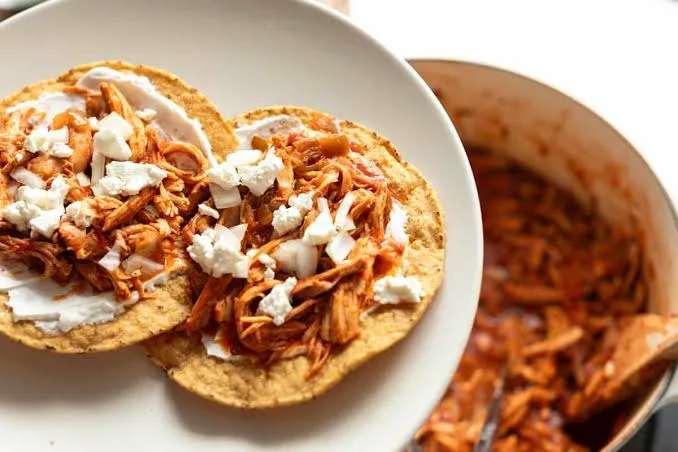
Chicken Tinga Tostadas 😋 Spicy shredded chicken in chipotle adobe salsa served on a crispy tostada!

Hello Everyone! Hope you are having a good day! Thank you for tuning in! If you have not subscribed yet, hit that subscribe button ...

  • Channel: Yesenia's Kitchen

Video source: Yesenia's Kitchen

Rapid read

Key takeaways

  • 01Roast plum tomatoes and tomatillos first so the sauce starts concentrated instead of watery.
  • 02Brine or season the chicken, then cook it just to done and shred it before folding it into the sauce.
  • 03Chipotles in adobo bring real heat; start with less if needed because it is easier to add spice than remove it.
  • 04Simmer the sauce until it coats a spoon before adding chicken, then cook the shredded chicken in the sauce until glossy and clingy.
01

Start with sauce thickness, not just heat

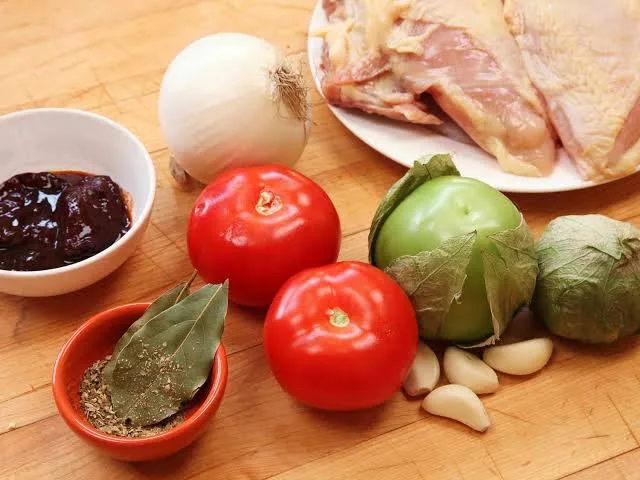
Roast the tomatoes and tomatillos before blending. Roasting at about 400°F softens the vegetables, concentrates their juices, and gives the blender something richer than raw watery produce.

Chipotles in adobo are the heat engine, but heat alone does not fix thin sauce. Blend the roasted vegetables with sautéed onion and garlic, then simmer until the sauce darkens slightly and leaves a trail when you drag a spoon through the pan. That is the point where it is ready for chicken.

  • 01Choose taut green tomatillos; wrinkled ones are past their prime.
  • 02Roast tomatoes and tomatillos until softened and juicy, then add the pan juices to the blender.
  • 03Start with fewer chipotles for a milder batch; add more only after tasting the simmered sauce.
How to Build Spicy Chicken Tinga With Sauce That Does Not Turn Watery
02

Add shredded chicken after the sauce has body

Chicken tinga turns watery when the meat brings extra moisture into a sauce that has not reduced. If using cooked rotisserie chicken, squeeze off obvious excess liquid and shred it into bite-size strands. If cooking chicken yourself, a short salt brine followed by baking or poaching gives better seasoning and keeps the breast meat from drying out.

Fold the shredded chicken into the reduced sauce and let it simmer together. The chicken should absorb chile-tomatillo flavor while the pan stays glossy. If the sauce loosens after the chicken goes in, keep it uncovered for a few more minutes and stir often so the bottom does not scorch.

  • 01Brine chicken breasts for 30 to 60 minutes when time allows, then pat dry before cooking.
  • 02Cook chicken just until done, then rest briefly before shredding so juices do not flood the pan.
  • 03Simmer uncovered after adding chicken until the sauce clings to the shreds.
How to Build Spicy Chicken Tinga With Sauce That Does Not Turn Watery
03

Choose tostada or taco toppings that protect texture

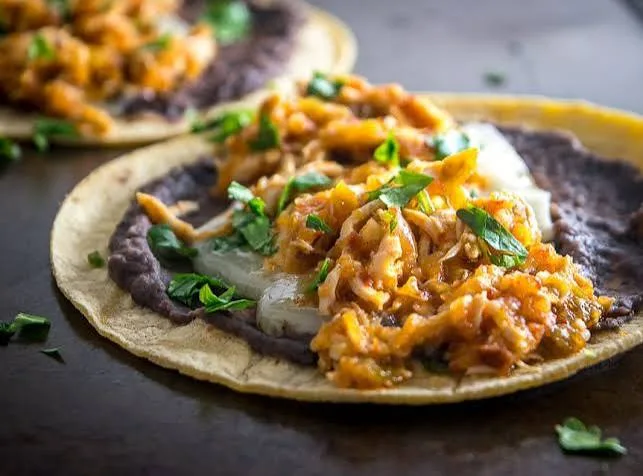
A good batch of spicy tinga can still eat soggy if the serving setup is too wet. For tostadas, let the chicken sit a minute off heat so the sauce thickens slightly before spooning. Use a thin layer of refried beans, crema, or cheese only if it supports the shell instead of turning it soft.

For tacos or quesadillas, warm tortillas first and add tinga in controlled amounts. Bright toppings such as onion, cilantro, cabbage, lime, avocado, or queso fresco work well because they balance heat without adding too much liquid. Watery salsa should go on the side unless the tinga sauce is very tight.

  • 01Let tinga rest briefly before topping tostadas so the sauce settles.
  • 02Use crisp cabbage, onion, cilantro, lime, or queso fresco for contrast without extra water.
  • 03Keep thin salsa, crema, or pickled vegetables controlled so they do not soak the tortilla.
How to Build Spicy Chicken Tinga With Sauce That Does Not Turn Watery
04

Reheat leftovers without watering down the pan

Tinga is excellent as a standby meal because the sauce keeps seasoning the chicken. The mistake is reheating with too much added liquid. Start in a skillet over medium-low heat with only a splash of water or stock if the batch is sticking, then let the moisture cook back down before serving.

If the leftovers are going into breakfast tacos, quesadillas, or tostadas, reheat until the sauce looks shiny and concentrated again. If it seems loose after refrigeration, uncover the pan and reduce it for a few minutes. The final texture should be spoonable, not soupy.

  • 01Reheat in a skillet instead of microwaving a covered bowl full of steam.
  • 02Add only a small splash of liquid if the chicken is dry, then reduce it back down.
  • 03Do not serve until the sauce coats the chicken and no watery ring forms around the pan.

FAQ

Frequently asked questions

01Why did my chicken tinga turn watery?

The sauce was probably too thin before the chicken went in, or the chicken released extra moisture during simmering. Roast the tomatoes and tomatillos, reduce the blended sauce until it coats a spoon, then add shredded chicken and simmer uncovered until glossy.

02How spicy should chicken tinga be?

It can be mild or very hot, depending on the chipotles in adobo. For a safer batch, start with one or two chipotles, taste after simmering, and add more only if you want stronger heat. Once the sauce is too hot, it is hard to reverse without diluting flavor.

03What is the best way to serve saucy tinga without soggy tortillas?

Let the tinga reduce until it clings to the chicken, rest it briefly off heat, warm the tortillas or tostada shells, and keep watery toppings light. Crisp cabbage, onion, cilantro, lime, and queso fresco give balance without flooding the base.