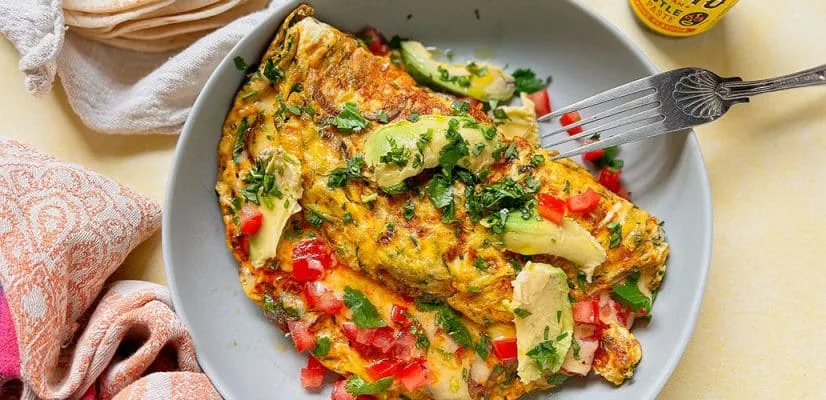
Mexican Omelette for Better Results in a Home Kitchen
Kitchen guide

Mexican Omelette for Better Results in a Home Kitchen

Explore Mexican Omelette for Better Results in a Home Kitchen through the specific situations and details in the selected article.

Arizona kitchens, cuts, and counter know-how
Published July 16, 2026
Briefing

The secret to a consistently great result lies in a few small techniques. Whisking the eggs with a splash of water instead of milk keeps the curds light and airy, while cooking over low heat prevents rubbery edges. With the right prep and a steady hand, you’ll get a restaurant-quality omelette right in your home kitchen every time.

Mexican American Omelette - Omelette series no 51

Mexican American Omelette - Omelette series no 51 This simple omelette recipe is packed with mushrooms, hot green chili, and a ...

  • Channel: Maple Kitchen

Video source: Maple Kitchen

Rapid read

Key takeaways

  • 01Mexican is easier to study when it is tied to a concrete directing choice instead of treated as style decoration.
  • 02Who says omelettes are just for breakfast? Nope! I love to make omelettes for a weeknight dinner when I don't feel like cooking. Yum!
01

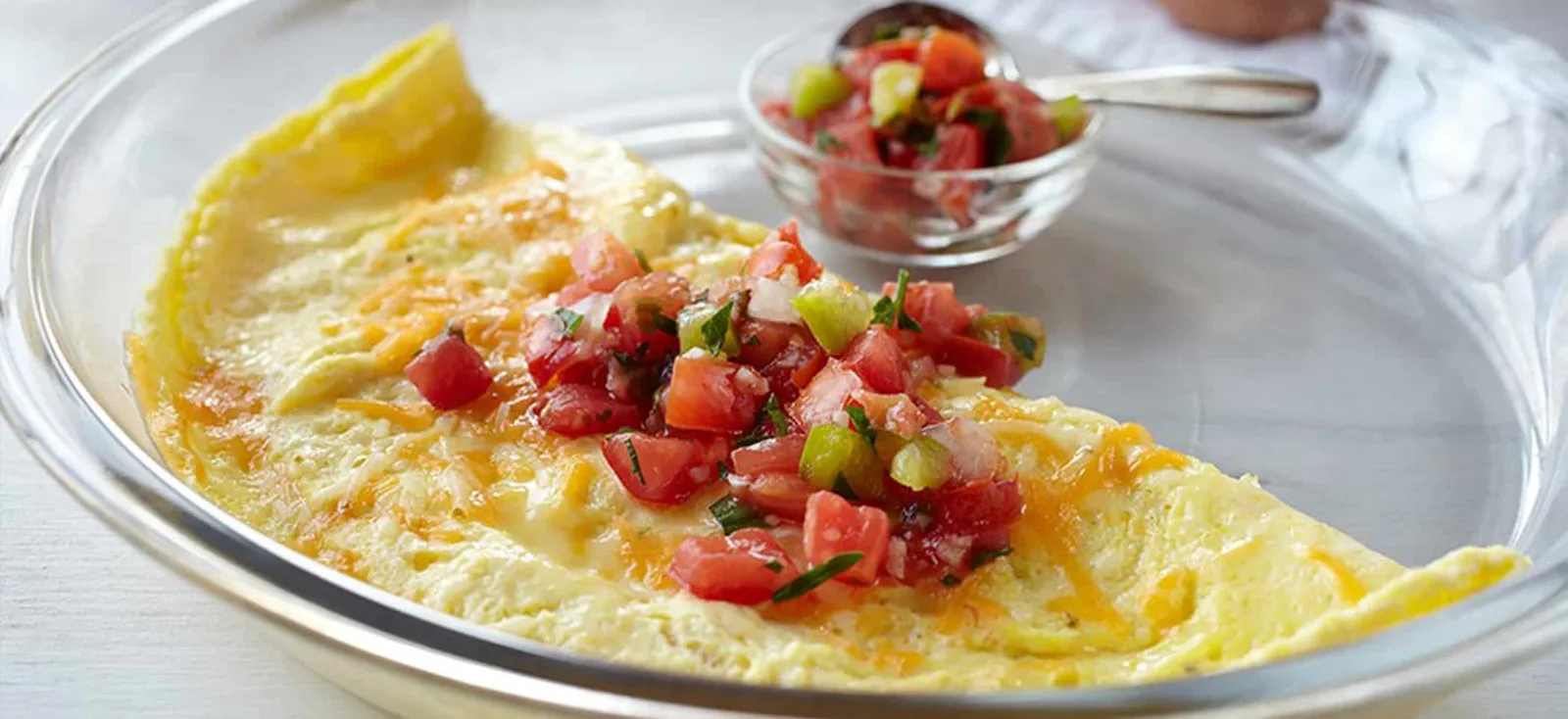
Start by prepping your vegetables before cracking any eggs. Dice a ripe tomato, slice a yellow onion, and mince a jalapeño, being sure to remove the seeds if you prefer a milder heat. Sauté them in a little oil over medium heat until softened and any excess moisture has cooked off. This step is crucial—it ensures your filling adds flavor without making the final omelette watery.

While the veggies cook, crack two or three large eggs into a bowl. Add a tablespoon of cold water, a pinch of salt, and freshly ground black pepper. Whisk vigorously for about a full minute until the mixture is completely uniform and slightly frothy. Set it aside while you finish the vegetable filling and wipe down your pan.

Mexican Omelette for Better Results in a Home Kitchen
02

Wipe your skillet clean, return it to the burner, and reduce the heat to low. Let it warm gently for a minute before adding a generous knob of butter. Once the foam subsides and the butter stops sizzling aggressively, pour in the egg mixture.

Don’t let it sit undisturbed. Use a silicone spatula to gently push the cooked edges toward the center, tilting the pan so the uncooked liquid egg flows into the empty spaces. Repeat this motion every few seconds until the top is just barely set but still slightly glossy. This gentle folding creates those classic, soft layers without overcooking the whites.

Mexican Omelette for Better Results in a Home Kitchen
03

Once the base is set, scatter half of the sautéed vegetable mixture across one side of the omelette. Top the veggies with your cheese of choice. A traditional Mexican blend melts beautifully, but Oaxaca, Monterey Jack, or even crumbled cotija will work wonderfully depending on your flavor preference.

Carefully fold the empty half over the filling. Cook for another 30 to 60 seconds to melt the cheese and lightly crisp the exterior. Slide it onto a plate seam-side down. If you want a touch more color, you can quickly flip it once, but watch closely—the goal is softness, not a hard shell.

Mexican Omelette for Better Results in a Home Kitchen
04

Mastering a simple egg dish comes down to understanding how heat, moisture, and technique interact. Making these adjustments consistently transforms a basic breakfast into something reliably excellent.

  • 01Water beats milk: The added moisture turns to steam during cooking, creating lighter, fluffier curds without the dense texture milk sometimes leaves behind.
  • 02Seed everything: Removing seeds from both the jalapeño and tomato drastically reduces hidden liquid, which is the primary reason home omelettes turn out soggy.
  • 03Patience on the burner: High heat shocks the proteins too fast, leading to tough edges and uneven cooking. Low and slow yields a creamy interior every time.
  • 04Less is more with fillings: A thin, even layer folds cleanly. Piling on ingredients creates bulk that tears the delicate egg layers when you try to close it.
05

Mexican omelettes are strictly a fresh-off-the-pan dish. Because the eggs continue to firm up and the vegetables release residual moisture as they cool, reheated versions often turn rubbery and limp. Plan to eat them immediately after plating.

You can, however, batch-cook the vegetable filling ahead of time. Store it in an airtight container in the refrigerator for up to three days, or freeze it for longer storage. When you’re ready to eat, simply whisk fresh eggs and follow the low-heat cooking method—your active prep time drops to under five minutes.

FAQ

Frequently asked questions

01Can I make this omelette ahead of time for meal prep?

Not the assembled omelette itself, as the eggs will become tough and the filling will make them soggy upon reheating. However, you can safely prep the sautéed vegetable mixture up to three days in advance, keeping weekday mornings quick and effortless.

02What’s the best cheese to use for a Mexican-style omelette?

A shredded Mexican blend or Oaxaca cheese melts evenly and delivers that classic tangy, stretchy texture. Monterey Jack works well for a milder flavor, while crumbled cotija or queso fresco added at the end brings a nice salty contrast.

03How do I keep the omelette from sticking to the pan?

The key is proper pan temperature and fat distribution. Warm your skillet over low heat first, add butter or oil, and let it fully melt and coat the surface before pouring in the eggs. Using a quality nonstick skillet also makes folding and flipping significantly easier.