
How to Build Green Chile Crawfish Enchiladas Without Watery Sauce
Kitchen guide

How to Build Green Chile Crawfish Enchiladas Without Watery Sauce

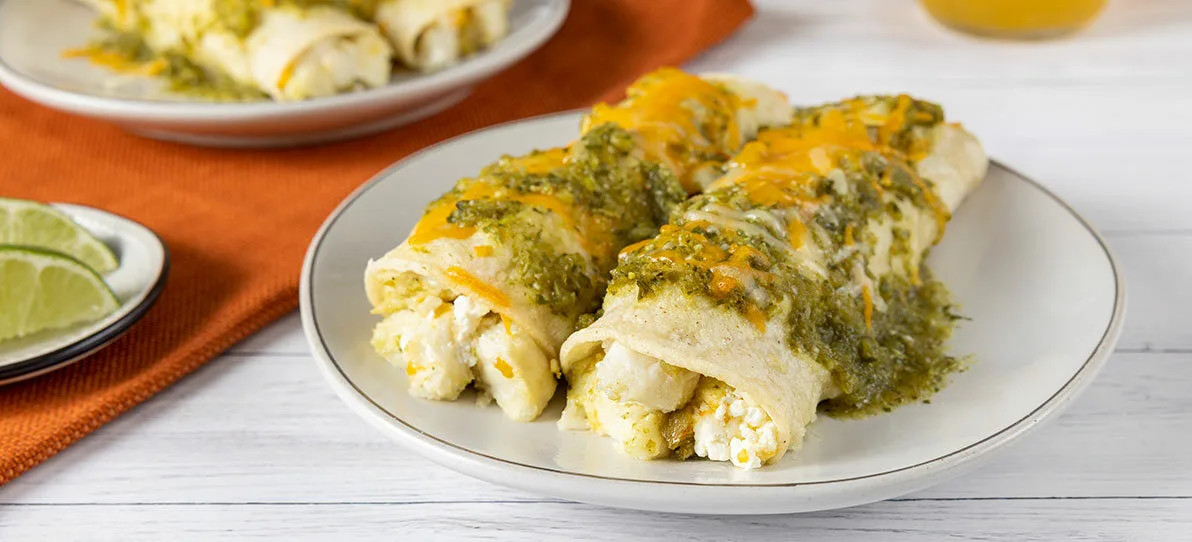
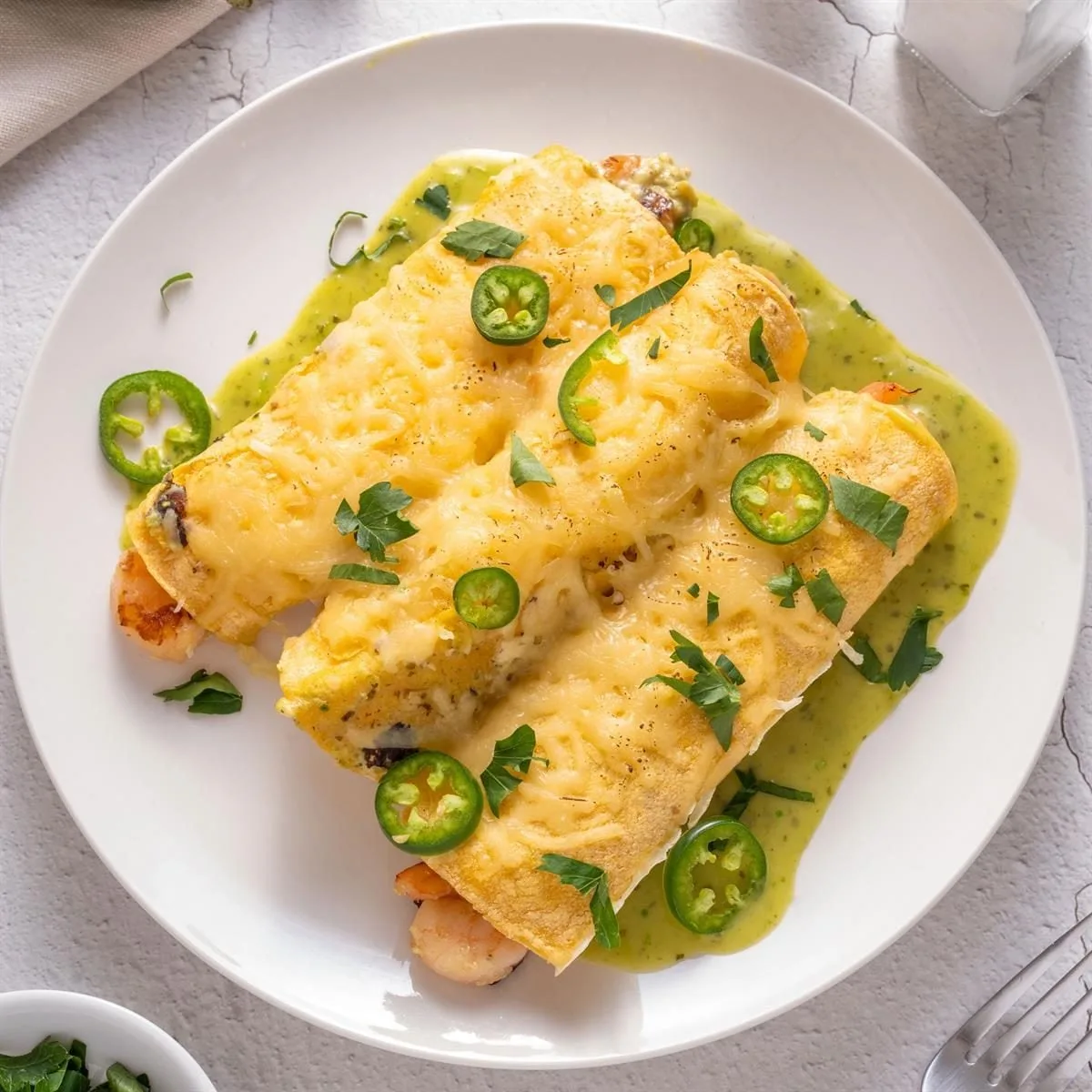
A good crawfish enchilada pan should taste rich, slightly green-chile bright, and clearly seafood-led. The trick is not more liquid. It is warmer tortillas, a sauce that clings, and a short oven finish.

Arizona kitchens, cuts, and counter know-how
Published May 19, 2026
Briefing

The better move is to treat each part as a control point. Warm the tortillas until they bend easily, keep the green chile sauce thick enough to coat a spoon, and season the crawfish before they ever hit the tortilla. Those three moves do more for the final pan than piling on extra cheese or more cream.

Spicy Crawfish Enchiladas: A Flavorful Fusion Of Cajun And Mexican Cuisine!

Thesecrawfish enchiladasare so flavorful with thegreentomatillosauceand the cheesy queso on top. A great fusion of cajun ...

  • Channel: Louisiana Cooking and Living

Video source: Louisiana Cooking and Living

Rapid read

Key takeaways

  • 01Soften the corn tortillas before rolling or they are more likely to split and leak sauce into the pan.
  • 02A green chile sauce for seafood enchiladas should be thick, cheesy, and spoonable rather than loose like soup.
  • 03Season the crawfish tails separately so the filling still tastes lively after the sauce and cheese go on top.
  • 04A short 375F bake plus a fast broiler finish is usually enough; a longer bake makes the pan wetter and dulls the seafood.
01

Warm the tortillas first so assembly starts clean

Corn tortillas are usually the first failure point in seafood enchiladas. If they go into the filling step cold or stiff, they crack, leak, and force you to hide the damage under too much sauce.

is the most reusable lesson here. You do not need them fried crisp or dipped in a separate chile sauce first. You just need them warm enough to roll without fighting back.

Once the tortillas are flexible, the enchiladas line up faster and hold their shape better, which means you can use a more controlled amount of sauce from the start.
How to Build Green Chile Crawfish Enchiladas Without Watery Sauce
02

Build a sauce that clings instead of pooling

Crawfish needs a sauce with body. A loose cream mixture slides to the bottom of the dish, leaves the filling underseasoned, and turns reheated portions greasy. is why the onion, jalapeno, garlic, cream, sour cream, cheese, and green chile mixture should be cooked until it feels cohesive before it touches the pan.

The goal is not a paste, but it should coat the spoon and hold the diced green chiles in place. If the sauce looks runny before assembly, the oven will not rescue it. It will only separate more once the cheese melts and the seafood warms through.

Taste before building the enchiladas. Seafood-friendly sauces often need enough salt, pepper, cumin, and a little chile warmth to keep the dairy from taking over.

How to Build Green Chile Crawfish Enchiladas Without Watery Sauce
03

Season the crawfish before it goes inside the tortilla

Crawfish tails are already delicate, so they do not need a long skillet cook. What they do need is direct seasoning. seasoning the filling with the crawfish with salt, pepper, and a little sauce before filling, and that small step makes sense because the center of the enchilada should have its own flavor, not rely entirely on the topping.

This also helps with moisture control. A lightly coated filling stays integrated, while a filling dumped in plain can leak water into the tortilla as it heats.

If you are working with thawed frozen crawfish, rinse and drain well first. Extra water from the bag is one of the fastest ways to ruin the sauce texture you just built.

04

Use less sauce in the dish than you think you need

Many home pans go wrong because the baker floods the bottom and top of the dish out of caution. can work with sturdier meat fillings, but seafood enchiladas get overwhelmed more quickly.

A thin layer on the bottom is enough to keep the tortillas from sticking. After that, the remaining sauce should cover the rolls without drowning them. You want bubbling edges after the bake, not a baking dish full of separated liquid.

This restraint is what keeps the green chile note clear. Instead of reading as creamy mush, the pan stays structured enough that the tortilla, crawfish, and top cheese all still register.

05

Bake briefly, then finish with color

Because the tortillas are already warm and the sauce is already cooked, the oven phase is mostly about melting, settling, and lightly browning. Keep that finish short at 375F and then uses a quick broiler pass, which is exactly the right rhythm for a seafood-filled pan.

Long baking dries the crawfish while also giving the sauce more time to split. A short bake keeps the filling tender and the cheese glossy, then the broiler adds the little bit of top color that makes the pan look finished.

Serve promptly. These enchiladas hold well for dinner, but they are at their best when the sauce still feels creamy and the crawfish has not sat steaming in the pan for another half hour.

FAQ

Frequently asked questions

01How do I keep crawfish enchiladas from getting watery?

Keep the sauce thick before assembly, drain the crawfish well, and avoid overfilling the baking dish with sauce. A short bake also helps because the pan has less time to separate.

02Do I need to soften corn tortillas before making these enchiladas?

Yes. Warm, flexible tortillas roll more cleanly and crack less, which keeps the filling in place and stops excess sauce from leaking everywhere.

03Why season the crawfish separately if the sauce is already flavorful?

Because the center of the enchilada still needs its own flavor. A little salt, pepper, and a spoonful of sauce on the crawfish helps the seafood taste distinct instead of disappearing into the cheese layer.

04How long should green chile crawfish enchiladas bake?

Usually only long enough to melt the cheese and bubble the sauce, about 8 to 10 minutes at 375F if the pan was assembled warm. Then use a short broiler finish if you want more color on top.