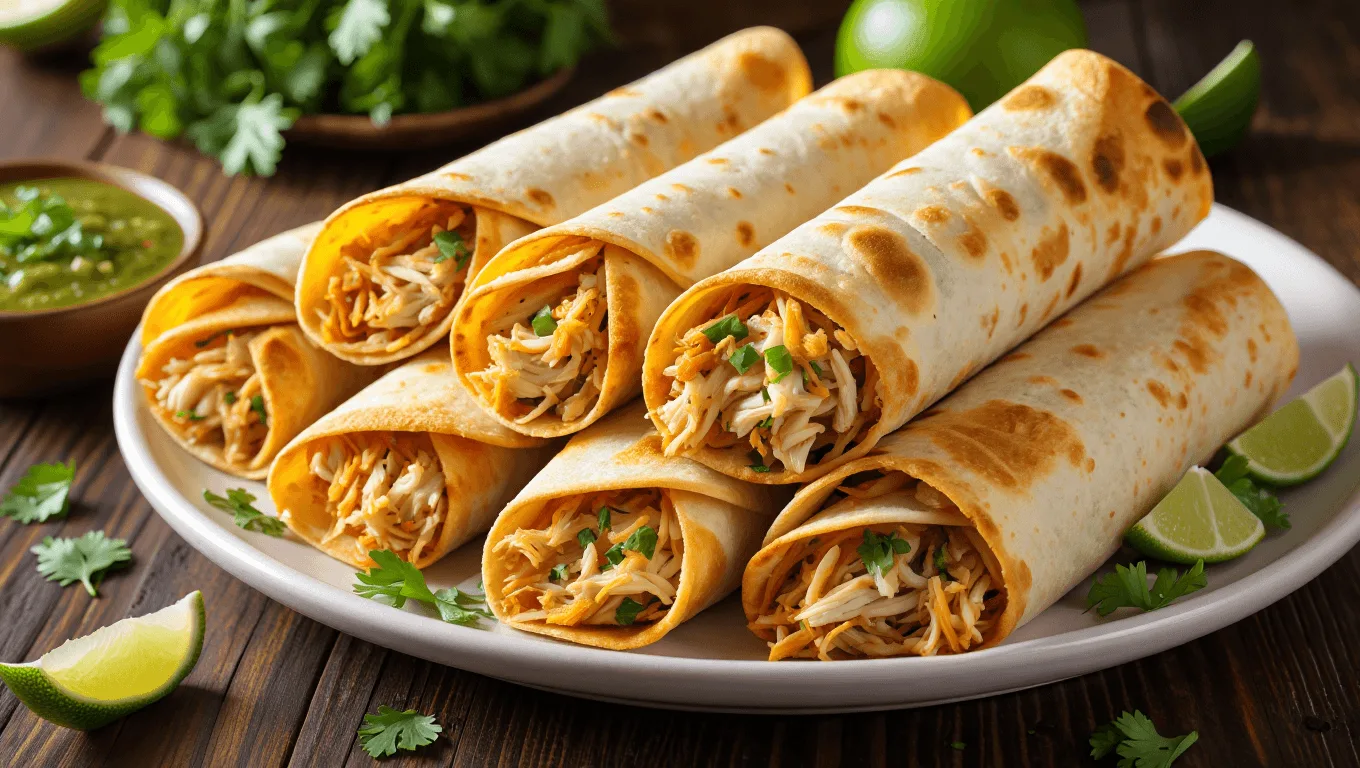
How to Keep Homemade Chicken Flautas Crisp Without Drying the Filling
Kitchen guide

How to Keep Homemade Chicken Flautas Crisp Without Drying the Filling

Help home cooks make chicken flautas with a shell that stays crisp and a filling that still tastes juicy once the plate hits the table.

Arizona kitchens, cuts, and counter know-how
Published May 18, 2026
Briefing

balance gets easier once you separate the jobs. Keep the chicken filling flavorful but not wet, warm the tortillas before rolling so they stay flexible, and fry in small batches hot enough to crisp the shell quickly instead of letting it sit in oil too long.

The practical focus here is the practical decisions that matter most in a real kitchen: chicken choice, tortilla handling, oil control, and serving the flautas before toppings drag them down.

Quick, Easy & on a Budget CRISPY Chicken Flautas (Taquitos)

Hello my beautiful fam!! Welcome to the heart of my home, my kitchen!!!!! ♥️ ❤️ TheseCrispy Chicken Flautas(aka ...

  • Channel: Cooking Con Claudia

Video source: Cooking Con Claudia

Rapid read

Key takeaways

  • 01Use chicken thighs or another forgiving cut so the filling stays juicy after shredding and frying.
  • 02Warm tortillas before rolling, because cold corn tortillas crack and leak filling into the oil.
  • 03Keep the filling fairly dry and the oil near 350F so the shell crisps before the chicken turns tired.
  • 04Fry in small batches and top at the last minute if you want the crunch to survive past the first bite.
01

Start with chicken that can stay juicy after shredding

Chicken thighs makes sense for home cooks because thighs stay forgiving after poaching, shredding, and one more round of heat inside the tortilla. A lean breast-only filling can work, but it reaches the dry zone faster once the shell is frying around it.

The filling also does not need to be overloaded with liquid. A little cooked tomato, onion, jalapeno, and salt gives the chicken enough flavor without turning it into a saucy mixture that weakens the tortilla from the inside.

If you are using leftover shredded chicken, fix the seasoning first and check the moisture second. You want savory, loose strands that hold together when rolled, not a wet spoonful that seeps out during frying.
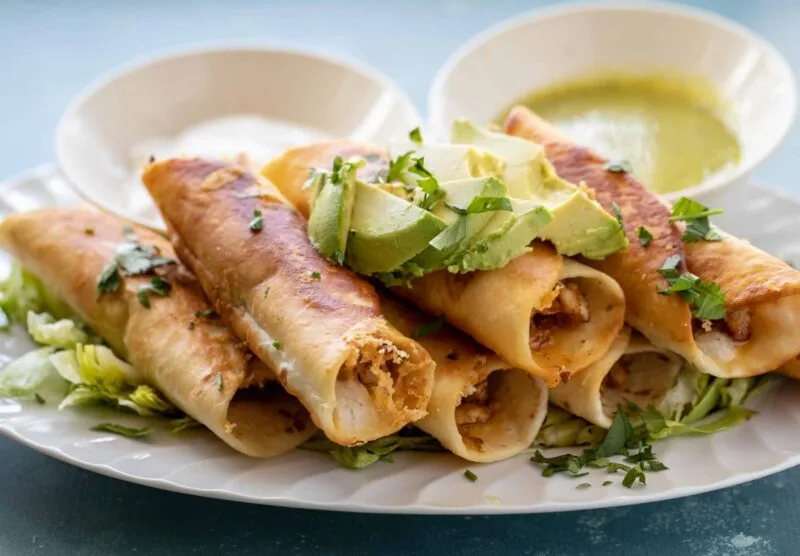
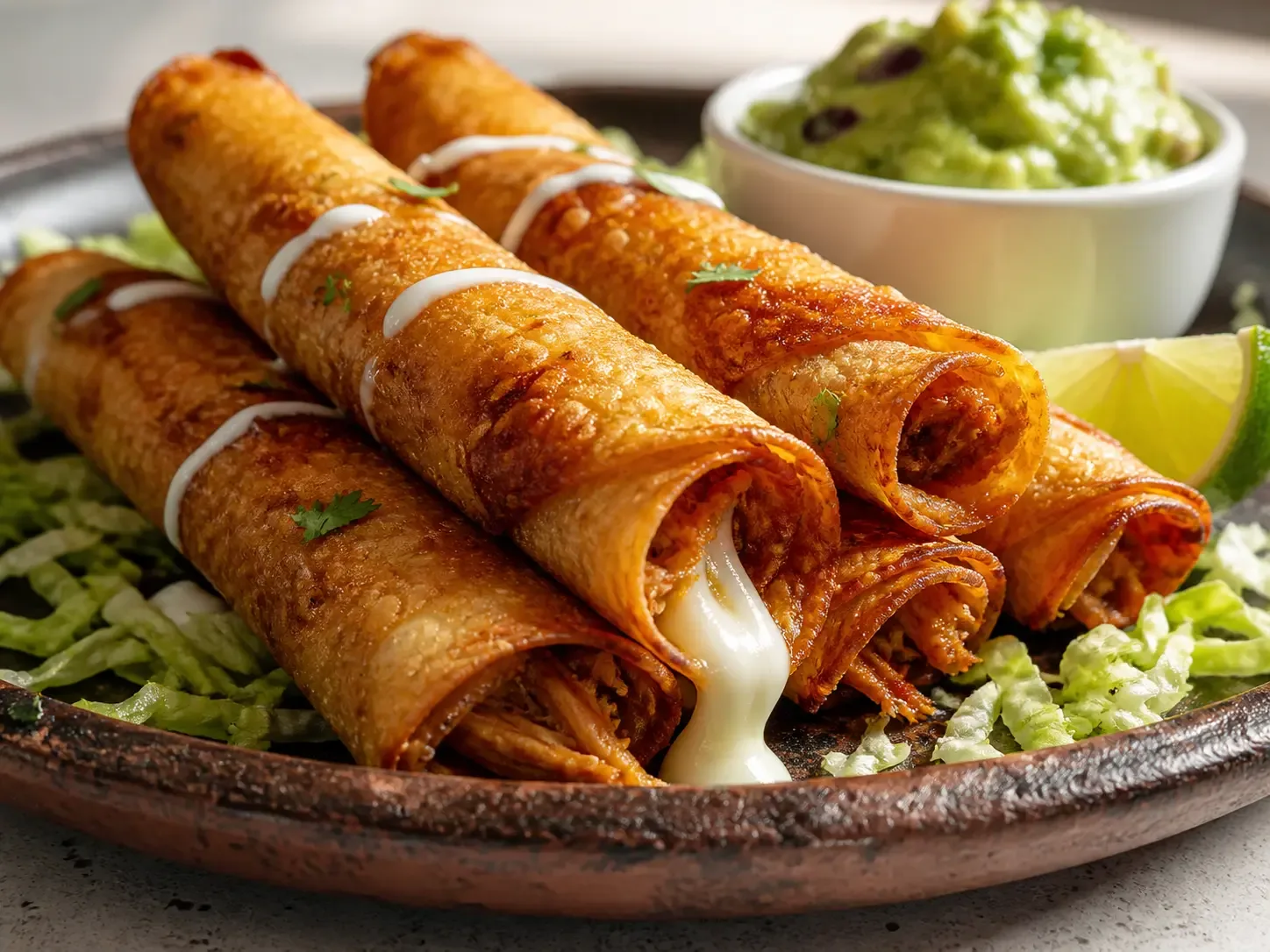
How to Keep Homemade Chicken Flautas Crisp Without Drying the Filling
02

Warm the tortillas before rolling or they will fight you

Tortilla handling. Corn tortillas crack when they are cold, especially if they came straight from the refrigerator. A quick pass on a dry skillet or comal softens them enough to roll without splitting.

short warming step does more than prevent tears. It lets you roll the flauta tightly, which helps the shell crisp evenly and keeps the filling from shifting to one end while frying.

If the tortillas are still stiff, stop and warm them a little longer instead of forcing the roll. Repairing broken flautas in hot oil is much harder than taking an extra minute at the stove.

How to Keep Homemade Chicken Flautas Crisp Without Drying the Filling
03

Control oil temperature so the shell crisps before the chicken dries

Around 350F is the useful target because it gives the tortilla enough heat to brown and crisp quickly without forcing a long soak in oil. When the oil runs cooler than that, the shell absorbs grease and loses the crisp snap people actually want from flautas.

This is also why small batches matter. Crowding the pan drops the oil temperature and turns one good technique into a greasy result, even if the filling and tortillas were prepared well.

Once the flautas are golden, get them onto a draining surface and move on. Leaving them parked in cooling oil or stacking them immediately traps heat and softens the shell you just built.

How to Keep Homemade Chicken Flautas Crisp Without Drying the Filling
04

Use toppings to finish the plate, not to hide a weak shell

crema, salsa, and queso fresco. logic works best when the toppings are treated as contrast, not as a blanket that smothers the shell.

A crisp flauta can handle cool shredded lettuce, a spoon of salsa, or a light drizzle of crema. What hurts it is drowning the whole plate too early and letting steam soften the tortilla before anyone sits down.

If you are feeding a group, keep toppings on the side or build the plates right before serving. Flautas have a short peak window, and heavy pre-dressing wastes the effort you put into frying them properly.

05

For leftovers, save the filling strategy and expect to re-crisp the shell

Flautas are best fresh, but the filling can still do useful work later. If you know there will be leftovers, store extra chicken separately whenever possible and fry or bake fresh rolls when you are ready to eat again.

If the flautas are already assembled, reheat them in a dry oven or air fryer rather than the microwave. The microwave only softens the tortilla and makes the outside feel tired.

The practical lesson is simple: meal-prep the chicken, not the final crunch. Treat the crisp shell as the last-step finish if you want the second round to feel worth eating.

FAQ

Frequently asked questions

01Why do chicken flautas crack while I roll them?

Usually because the tortillas are too cold or too dry. Warm them briefly on a skillet or comal first so they bend instead of splitting.

02What keeps chicken flautas from getting greasy?

A fairly dry filling, oil around 350F, and small frying batches do most of the work. If the oil is too cool, the tortillas absorb it before they have time to crisp.

03Can I make chicken flautas with leftover shredded chicken?

Yes, as long as the chicken is still moist and not too saucy. Adjust the seasoning, keep the filling fairly dry, and warm the tortillas well before rolling.

04Should I top flautas before putting them out for guests?

Only at the last minute. Flautas stay crisp longer if you fry first and let people add salsa, crema, lettuce, or cheese right before eating.