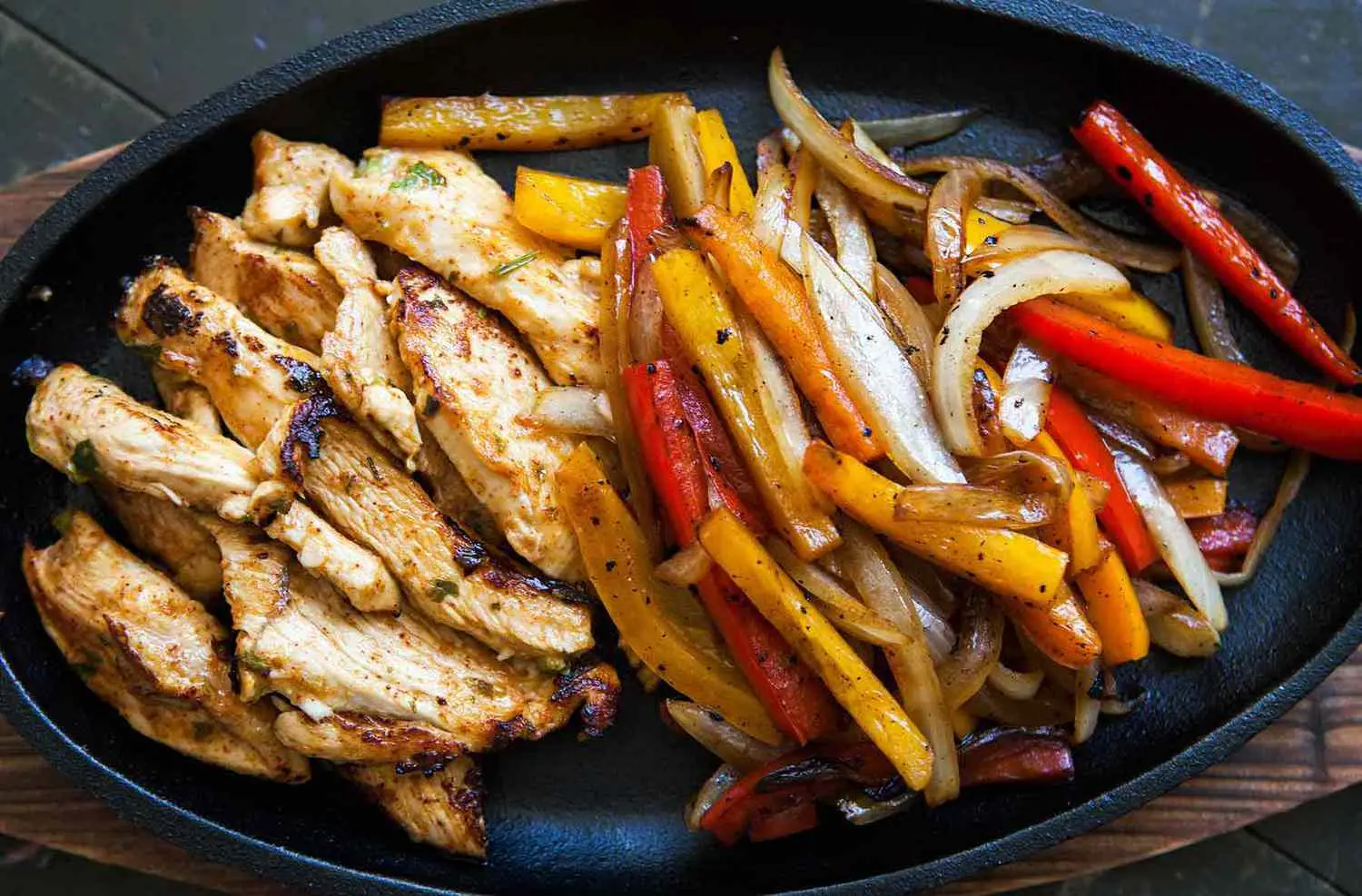
Chicken Fajitas for Better Results in a Home Kitchen
Kitchen guide

Chicken Fajitas for Better Results in a Home Kitchen

Explore Chicken Fajitas for Better Results in a Home Kitchen through the specific situations and details in the selected article.

Arizona kitchens, cuts, and counter know-how
Published July 21, 2026
Briefing

Once everything comes back together, it is ready to pile into warm tortillas with a squeeze of lime, spoonfuls of salsa, guacamole, refried beans, or cilantro-lime rice. It is the kind of weeknight dinner that looks like you planned ahead, even though the active cooking time stays short.

Easy Sheet Pan Chicken Fajitas in 30 Min 🌮🔥 #shorts

Juicy chicken, colorful bell peppers, and the boldest fajita flavor — all in one sheet pan! PRINT: ...

  • Channel: Natashas Kitchen

Video source: Natashas Kitchen

Rapid read

Key takeaways

  • 01Chicken is easier to study when it is tied to a concrete directing choice instead of treated as style decoration.
  • 02This is the dinner I make when I want something that tastes like I worked harder than I actually did.
01

Whisk together flour, chili powder, smoked paprika, garlic powder, cumin, salt, and black pepper in a small bowl. The flour does more than just add bulk; it gives the spices something to grip so they coat the chicken evenly without falling off in the pan.

Slice boneless, skinless chicken breasts into half-inch strips against the grain. Toss the strips in the spice mixture and press the seasoning into the meat with your fingers so every edge gets a thorough coating before it hits the heat.
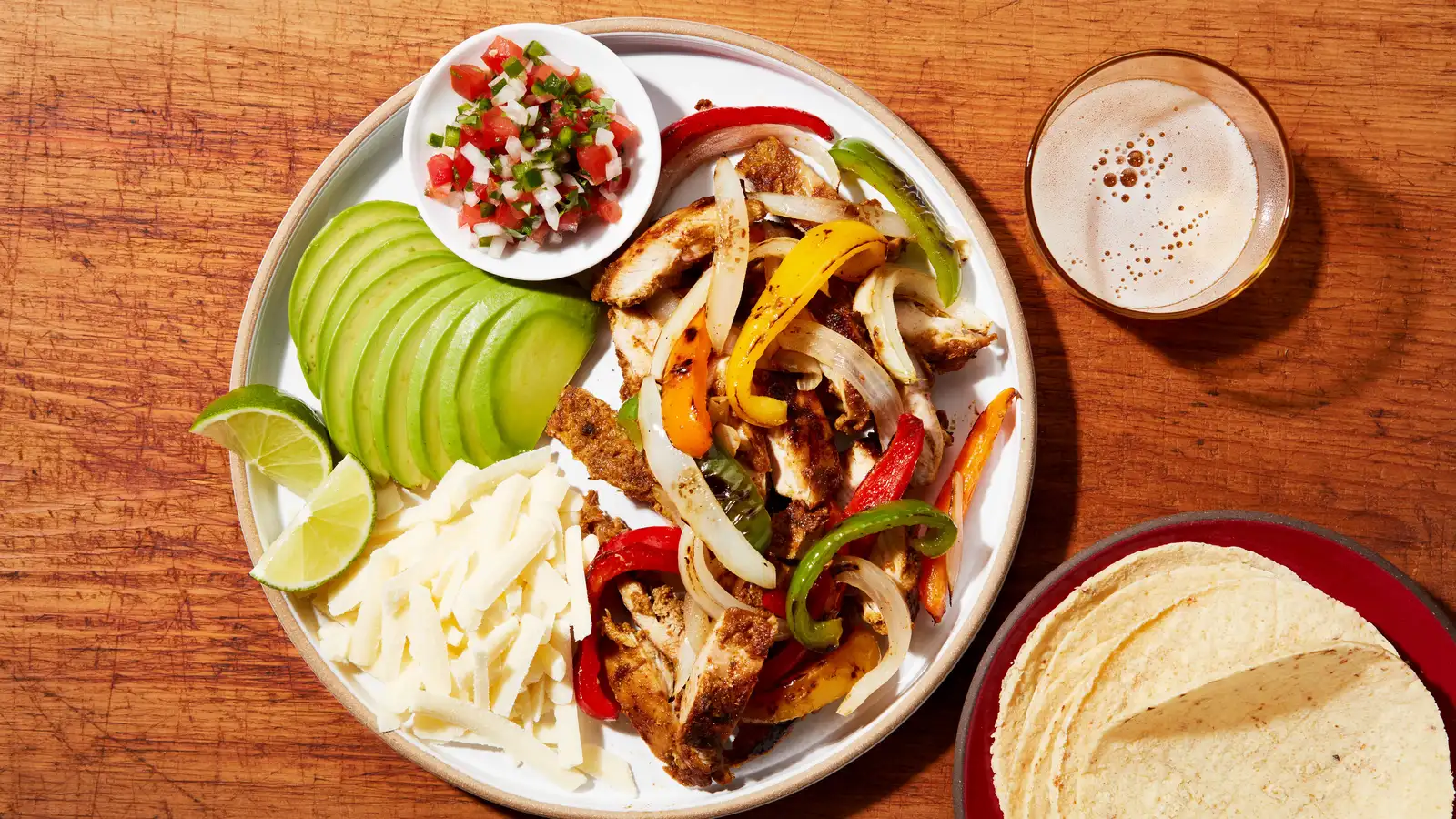
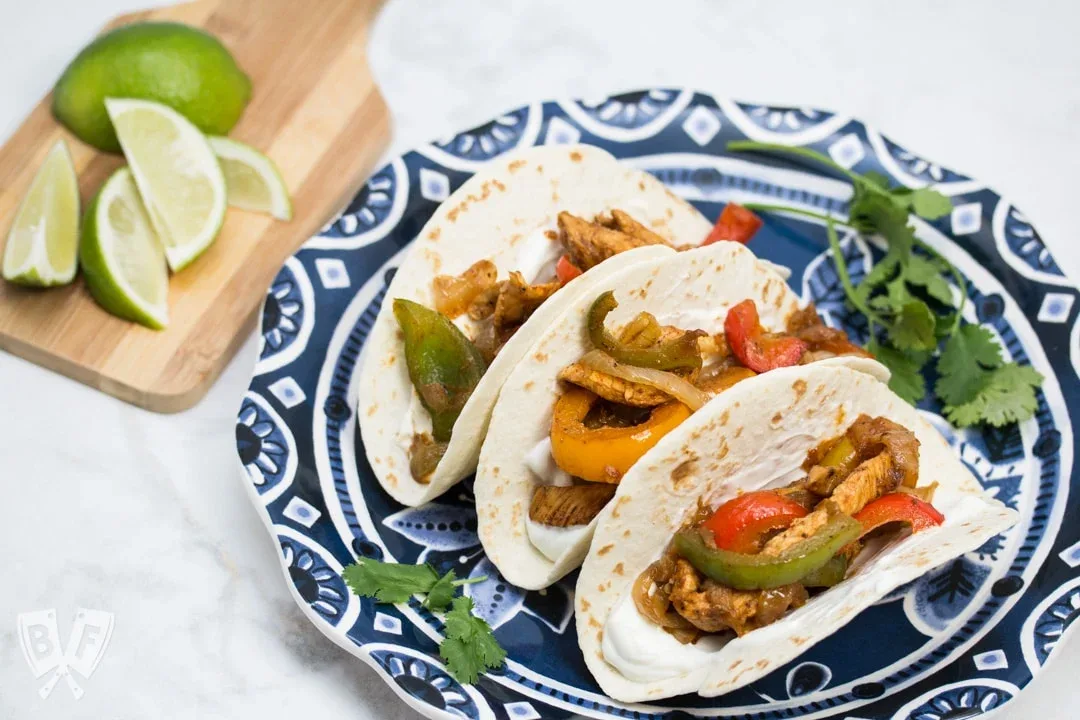
Chicken Fajitas for Better Results in a Home Kitchen
02

Heat a thin layer of neutral oil in a large skillet until it shimmers but does not smoke. Add the chicken in a single layer, leaving space between the strips so they fry instead of steam. Let it cook undisturbed for three to four minutes until the underside is deeply browned.

Transfer the cooked chicken to a bowl, then toss the sliced bell peppers and onion into the leftover chicken fat and spices. Cook them over medium-high heat for four to five minutes, just until they wilt but still hold a little crunch. Stir the chicken back in during the final minute so the meat reheats and everything shares the same smoky base.

That last minute in the skillet brings the spices, chicken juices, and softened vegetables back together into one cohesive filling.

Chicken Fajitas for Better Results in a Home Kitchen
03

Cutting the chicken against the grain keeps each strip tender rather than rubbery, which matters most once the fajitas cool slightly.

Avoid overcrowding the skillet. If the pan is packed too tight, moisture traps and turns the sear into a stew. A large cast iron skillet holds heat steady and rewards patience with better browning.

The tablespoon of flour in the seasoning helps the spices stick and gives the chicken a lightly coated finish that browns evenly in the pan.

Chicken Fajitas for Better Results in a Home Kitchen
04

Match the width of your pepper and onion strips to the chicken so they cook at the same rate. Aim for vegetables that are soft but still carry a little snap rather than fully collapsed.

A squeeze of fresh lime juice right before serving wakes up the cumin and chili powder without masking the char.

Store leftover chicken fajitas in an airtight container in the refrigerator for up to four days. Keep the filling separate from tortillas and wet toppings until you are ready to eat so nothing gets soggy.

05

Reheat the filling in a skillet over medium heat until warmed through. The microwave works in a pinch, though the vegetables will soften more quickly there.

For meal prep, store the chicken and vegetables in one container and keep tortillas, salsa, guacamole, and cheese separate so each component stays fresh longer.

Set the skillet, tortillas, and toppings on the table and let everyone build their own plates. It makes dinner feel effortless and keeps leftovers from getting mixed up.

06

Match the recipe to your actual kitchen setup, timing, and heat level. A good home cook adjusts portion sizes and cook times to fit their specific skillet and stove output.

If you are missing a cast iron pan, a heavy stainless steel skillet or a large nonstick pan will work fine. Just watch the browning closely since thinner pans cool down faster when the chicken hits the surface.

Write down the one detail that will make this dinner succeed in your kitchen: a hot enough pan, dry chicken before seasoning, or not stirring too early. That single focus point keeps the process simple and repeatable.

  • 01Confirm your skillet size matches the amount of food you are cooking.
  • 02Check heat level, timing, and ingredient readiness before the chicken goes in.
  • 03Name the stop point if the pan starts smoking or the spices begin to burn.
  • 04Choose the simplest reliable step when you are cooking under time pressure.

FAQ

Frequently asked questions

01Can I use chicken thighs instead of breasts?

Yes. Boneless, skinless thighs stay juicier and tolerate higher heat better, though they release slightly more fat into the skillet. Reduce the added oil by a tablespoon and watch the cook time closely since thighs can brown faster than breasts.

02Why did my chicken come out soggy instead of browned?

Sogginess usually comes from a cold pan, excess surface moisture, or overcrowding. Pat the chicken dry with paper towels before seasoning, make sure the oil is shimmering before adding the meat, and leave enough space between strips so steam can escape.

03How do I keep the vegetables crisp-tender rather than mushy?

Cook the peppers and onion over medium-high heat without covering the pan, and remove them from the skillet the moment they lose their raw shine. Stir the chicken back in only at the very end so the vegetables reheat briefly without breaking down further.