Sopapillas with a side of honey for Better Results in a Home Kitchen
Kitchen guide

Sopapillas with a side of honey for Better Results in a Home Kitchen

Explore Sopapillas with a side of honey for Better Results in a Home Kitchen through the specific situations and details in the selected article.

Arizona kitchens, cuts, and counter know-how
Published August 13, 2026
Briefing

Last Thanksgiving, our entire extended family traded the farmhouse for San Miguel's, a Tex-Mex spot in McKinney, Texas. I hadn't had sopapillas in years, especially since they're virtually absent from New York City restaurant menus.

Tortillas de harina con aceite, ¡No vas a creer lo facil que es!

Aprende como hacer masa paso a paso desde cero. Domina la tecnica para preparar una base perfecta para tus recetas favoritas ...

  • Channel: en la cocina con ernesto

Video source: en la cocina con ernesto

Rapid read

Key takeaways

  • 01Sopapillas is easier to study when it is tied to a concrete directing choice instead of treated as style decoration.
  • 02After his query, the table was silent. As I've said, my family just doesn't order desserts. It killed me to not shout out, "Yes, yes, I need a sopapilla! " but I kept my mouth shut as I didn't want to appear disrespectful towards my grandmother's baking bounty.
01

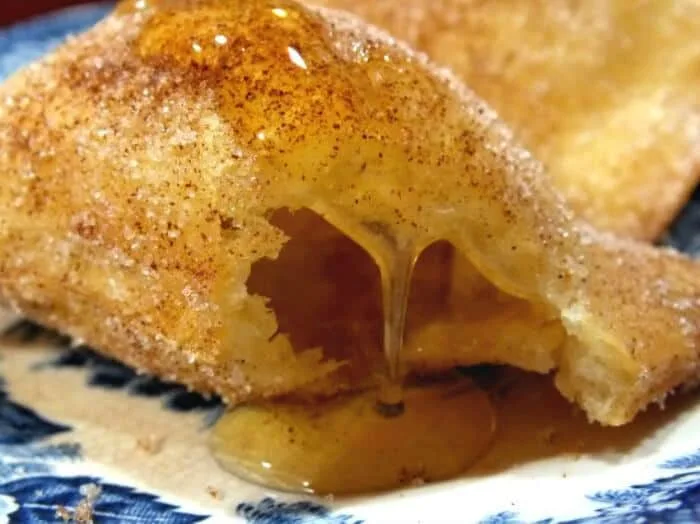
These fried dough pockets trace back to Spain, but they've found devoted followings across Latin America—in Argentina, Chile, and Peru, among other countries. Most of those regional takes lay flat, echoing buñuelos, while the Tex-Mex and New Mexican interpretations rise into voluminous, airy pillows.

What makes sopapillas so irresistible is their texture: a crisp exterior that shatters gently, giving way to a tender, slightly chewy interior built to hold generous drizzles of honey.

Sopapillas with a side of honey for Better Results in a Home Kitchen
02

Growing up, desserts at our house meant whatever my grandmother baked—and that was always pie. So when we arrived at San Miguel's, I confidently assumed sopapillas wouldn't be part of our meal. Then our server appeared and casually asked if anyone wanted to try them.

The table went quiet. My family rarely orders dessert, and I bit my tongue rather than seem disrespectful to my grandmother's culinary legacy. My uncle, bless him, had no such hesitation. "We'd love some! " he announced, rescuing me from the internal battle.

We ordered a single small portion to share. That first bite of golden, honey-soaked dough brought unanimous agreement: sopapillas deserve every bit of praise they receive.

Sopapillas with a side of honey for Better Results in a Home Kitchen
03

Despite having zero prior experience with sopapillas, I tracked down a recipe and quickly realized the technique was well within my skill set. Most versions rely on baking powder for lift, but I opted for a yeast-leavened dough instead.

Both approaches produce that characteristic rise when the dough meets hot oil. Personally, I find the yeast version delivers a deeper, more interesting flavor profile—and don't let the word "yeast" intimidate you; the method is straightforward even for beginners.

Sopapillas with a side of honey for Better Results in a Home Kitchen
04

Some people dust theirs with powdered sugar, others pair them with a scoop of vanilla ice cream, but my favorite combination remains simple: a generous coating of cinnamon sugar followed by a steady stream of honey.

Whatever topping you choose, sopapillas represent pure Tex-Mex indulgence—effortless, satisfying, and worth the extra effort of making them yourself.

05

Begin by activating your yeast: combine it with warm water in a large mixing bowl and let it rest for five minutes until frothy.

In a separate bowl, whisk together flour and salt. Add softened butter and sugar to the yeast mixture, then gradually incorporate this wet blend into the dry ingredients, stirring until a cohesive dough forms.

Transfer the dough to a lightly greased bowl, cover it, and allow it to rise for approximately one hour—or until it has doubled in volume.

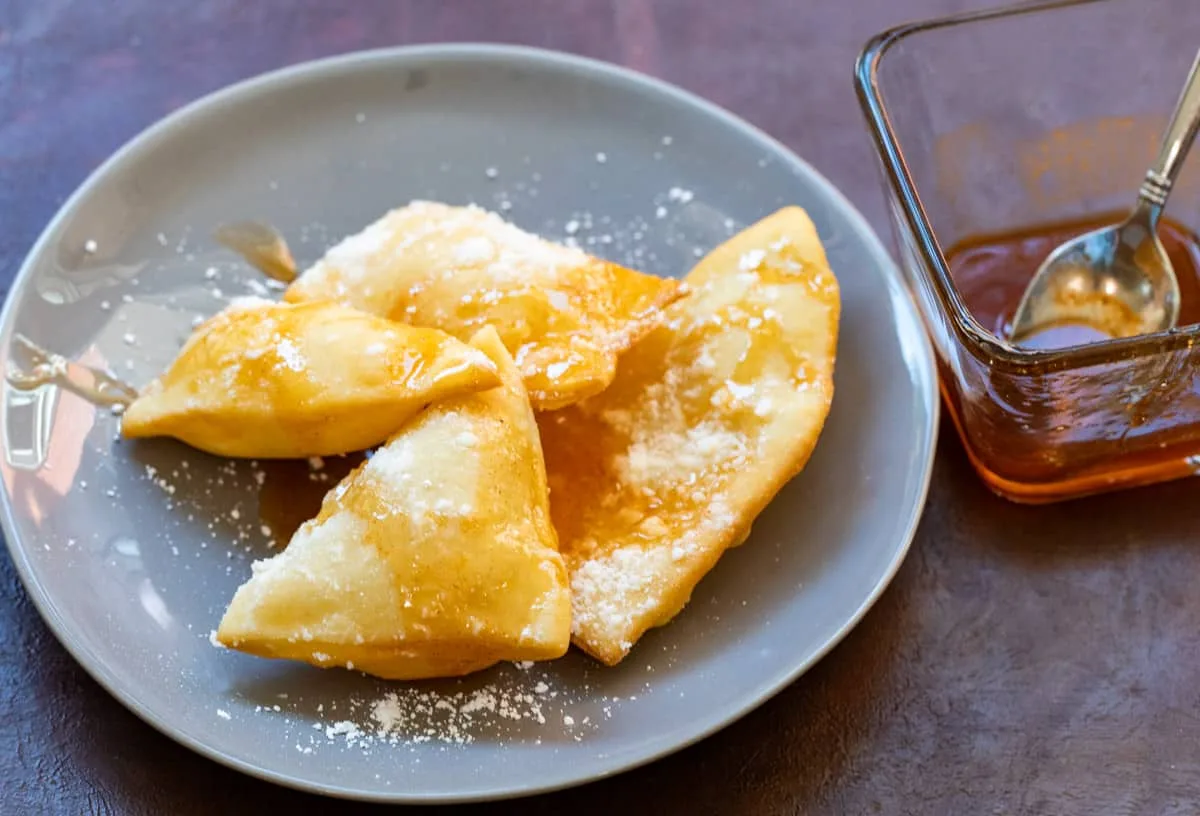
Once risen, press the dough down gently to release trapped air, then turn it onto a floured surface. Roll it out to a quarter-inch thickness and cut into three-inch squares. Slice each square diagonally to create triangles.

Pour three inches of oil into a heavy pot and heat it to 375°F. Working in batches, fry two triangles at a time for about one minute per side, flipping once, until each piece turns golden brown and inflates beautifully.

If your dough refuses to puff upon hitting the oil, the temperature has likely dropped too low—simply increase the heat and allow the oil to recover before continuing.

FAQ

Frequently asked questions

01How do I get started with sopapillas as a beginner?

Start by proofing your yeast in warm water—that immediate visual cue tells you whether your leavening is alive and ready. From there, follow the recipe through each step sequentially, and only move forward once you've confirmed the previous stage produced the expected result.

02What typically complicates making sopapillas unnecessarily?

The most common mistake is rushing through preparation or proceeding despite clear signs something is off—like skipping the yeast activation check or frying at the wrong oil temperature. These shortcuts turn a manageable project into frustration, wasted ingredients, and soggy rather than crispy results.

03How can I keep sopapilla-making sustainable for future meals?

Build a consistent routine: activate the yeast the same way each time, track your oil temperature reliably, and evaluate success by the finished product's appearance and texture rather than arbitrary timing. A method earns its place in your kitchen only when it remains repeatable and consistently delivers satisfying results.