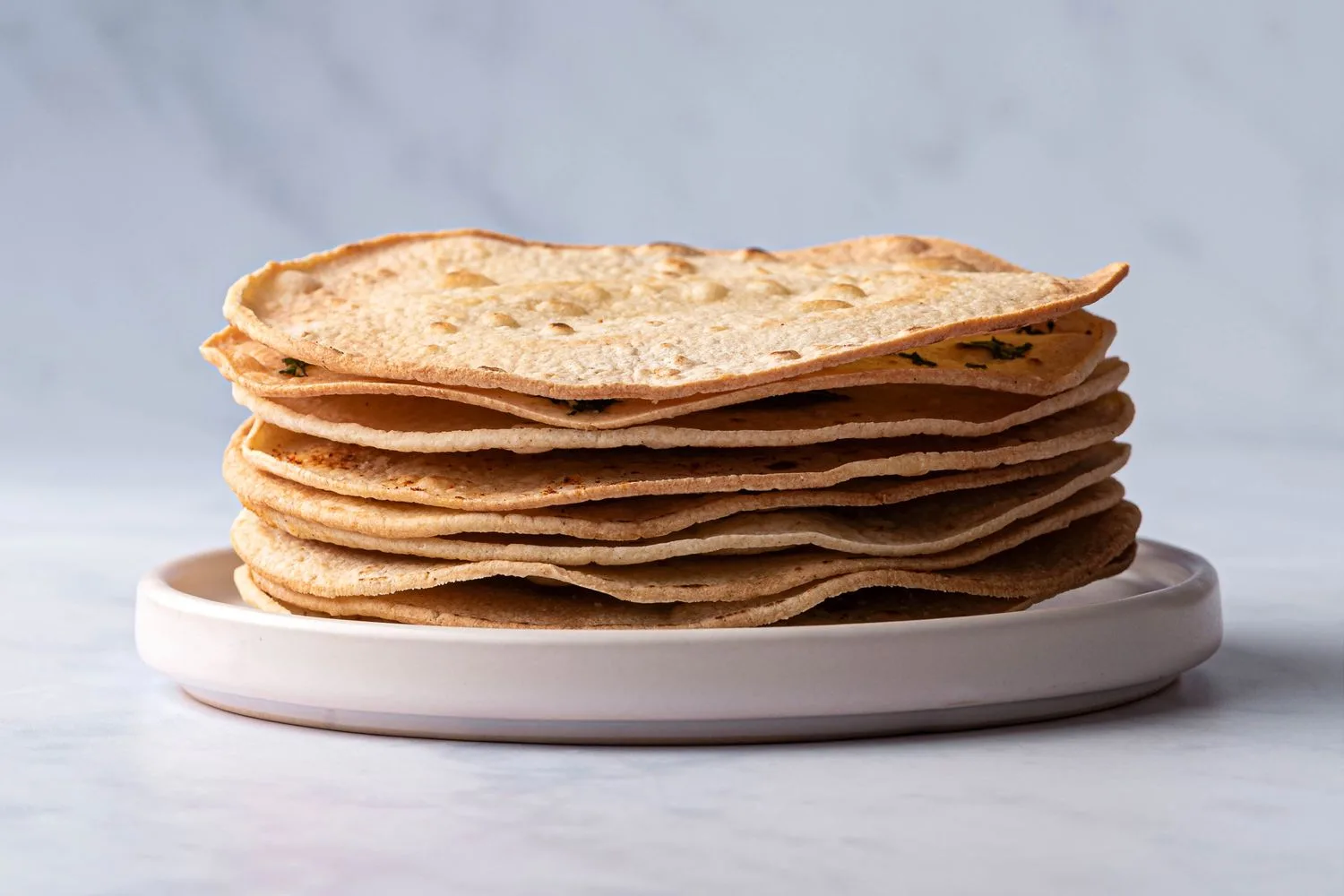
How to Make Homemade Tostada Shells That Stay Crisp Under the Toppings
Kitchen guide

How to Make Homemade Tostada Shells That Stay Crisp Under the Toppings

Help home cooks make tostada shells that stay crisp long enough to hold beans, meat, salsa, and avocado without collapsing halfway through the meal.

Arizona kitchens, cuts, and counter know-how
Published June 16, 2026
Briefing

is why homemade tostada shells are worth learning. Once you know how to dry the tortilla out quickly without scorching it, you can choose the fried route for speed or the baked route for convenience and still end up with a shell that holds together at the table.

This Miranchito version turns the source into a practical kitchen guide: how to choose the tortilla, when fried shells beat baked ones, and how to keep the shell crisp long enough for a full plate instead of one crunchy bite.

Homemade Baked Tostada Shells | Easy and Reliable!

Here'show to makeyour owntostada shells! If you've ever skipped over a great looking Mexican recipe just because you don't ...

  • Channel: Mexican Please

Video source: Mexican Please

Rapid read

Key takeaways

  • 01Thin tortillas crisp more evenly and make sturdier tostada shells than thick ones that stay chewy in the center.
  • 02Frying around 350°F gives the fastest, most reliable shell when you want a deep crunch without greasy spots.
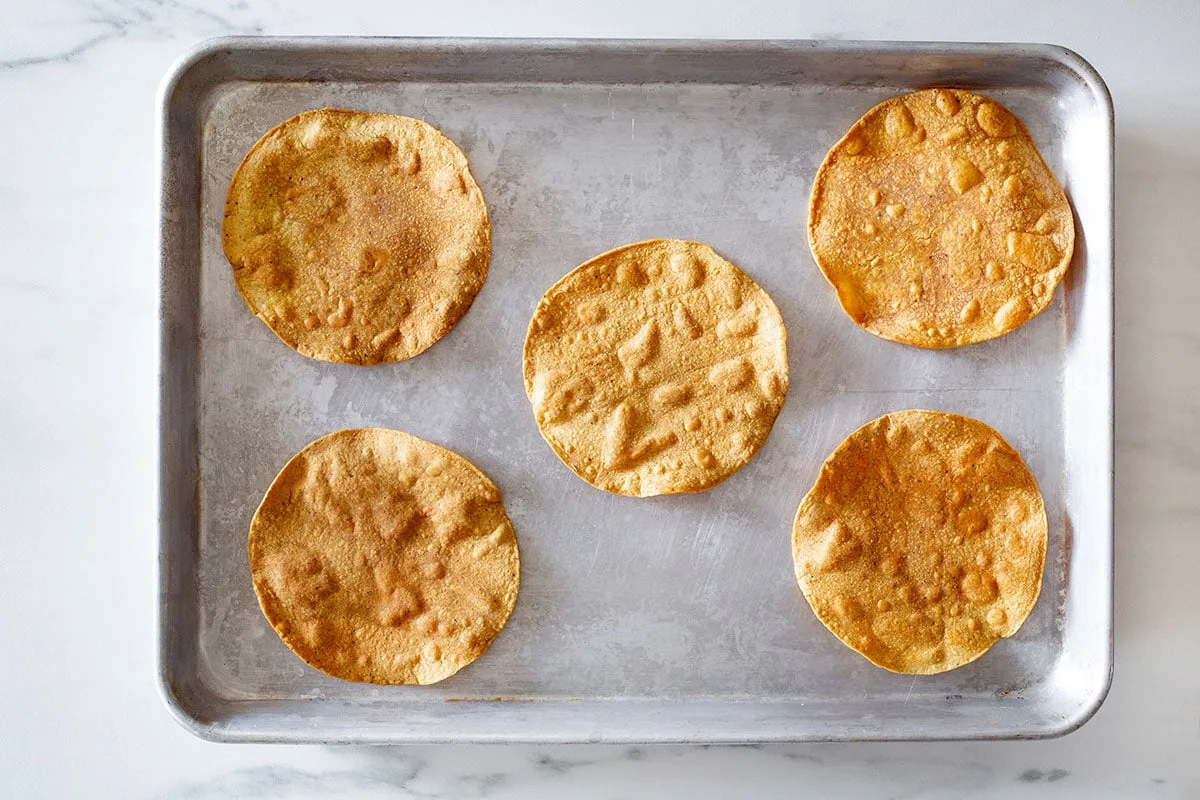
  • 03Baking works when you oil the tortillas lightly and give them enough time to fully dry and set.
  • 04The shell lasts longer when you cool it first and add wet toppings only right before serving.
01

Start with tortillas that can actually crisp all the way through

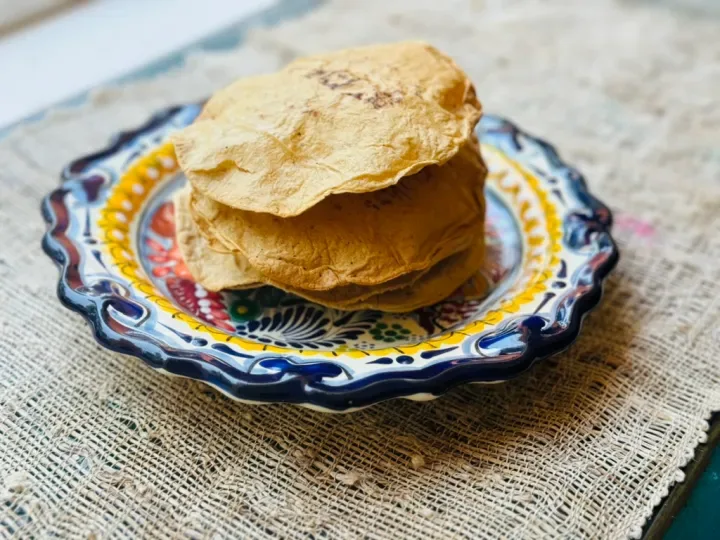
The shell can only be as good as the tortilla you start with. Thin corn tortillas usually win because they dry out and stiffen before the center turns leathery, while thicker tortillas often brown outside before they finish crisping inside.

matters because tostadas need structure more than softness. If the tortilla still bends in the middle, heavy toppings like beans, picadillo, or avocado salsa will expose the weakness immediately.
How to Make Homemade Tostada Shells That Stay Crisp Under the Toppings
02

Use frying when speed and a strong shell matter most

Frying is the most dependable route when dinner needs crisp shells fast. Oil around 350°F dries the tortilla quickly enough to build a rigid shell instead of an oily one.

The practical move is to watch color and stiffness together. A shell that looks golden but still flexes needs a little more time, while a shell that darkens too fast is telling you the oil is running hotter than it should.

How to Make Homemade Tostada Shells That Stay Crisp Under the Toppings
03

Use baking when you want a lighter batch or need to make several shells at once

Baking works well when you would rather avoid a pan of oil or need multiple shells in the oven together. The tradeoff is that the oven will not rescue a wet tortilla or a rushed timeline.

A light coat of oil helps the shell brown evenly, but the bigger point is finishing the dry-out step. If the center still feels soft when it comes out, the toppings will steam it down almost immediately.

How to Make Homemade Tostada Shells That Stay Crisp Under the Toppings
04

Build the tostada only after the shell has fully set

A crisp shell loses the battle fast when it meets hot beans, juicy salsa, and avocado before it has even finished cooling. Give the shell a minute to set so it can handle the moisture load better.

This is also where portion control matters. A thin swipe of beans and a balanced layer of toppings hold better than treating the tostada like a heaped plate with a tortilla hidden underneath.

05

Match the shell method to the meal you are actually making

If the meal is a quick weeknight plate with bold toppings, frying often gives the strongest result for the least guesswork. If you are building a larger batch and want less active stove work, baking is the more relaxed path.

Either way, the bigger lesson is that tostada shells are a technique, not a packaged shortcut. Once you understand the shell, you can use the same logic for beans, tinga, picadillo, or avocado salsa without guessing every time.

FAQ

Frequently asked questions

01Are baked tostada shells as crisp as fried ones?

They can get very crisp, but frying usually gives the fastest and strongest shell. Baked shells work best when they are lightly oiled and left in the oven long enough for the center to fully dry out.

02Why do homemade tostada shells turn chewy in the middle?

Usually because the tortillas were too thick, the heat was too low, or the shells were pulled before the center had fully set. A shell needs to feel rigid, not merely browned.

03When should toppings go on a tostada shell?

Right before serving. Let the shell cool and set first, then add beans, meat, salsa, and avocado so moisture does not soften it before the first bite.

04What oil temperature is best for frying tostada shells?

Around 350°F is the useful target because it crisps the tortilla quickly without leaving it greasy.