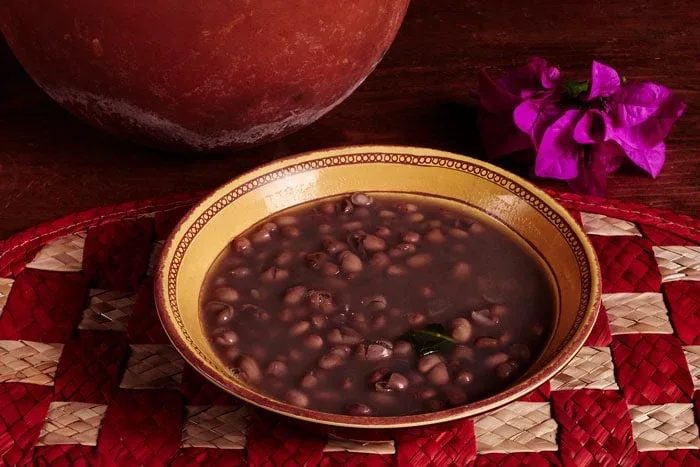
How to Make Frijoles de la Olla That Stay Brothy and Well Seasoned
Kitchen guide

How to Make Frijoles de la Olla That Stay Brothy and Well Seasoned

Help home cooks make frijoles de la olla with tender beans, a flavorful broth, and seasoning that still tastes complete when the pot hits the table.

Arizona kitchens, cuts, and counter know-how
Published June 8, 2026
Briefing

The better approach is to treat the broth as part of the dish from the start. Onion, garlic, and enough water need time to work together, and the pot needs occasional checks so the beans stay submerged without turning soupy beyond usefulness.

This version focuses on the decisions that matter most in a home kitchen: how to keep the broth valuable, when to adjust salt, and how to finish the pot so it works both for tonight's meal and for tomorrow's leftovers.

Authentic Frijoles de la Olla Recipe | Vegan Mexican Beans

Learn how tomakedelicious andauthentic Frijoles de la Olla, a staple in Mexican cuisine, vegan-style! In thiseasy-to-follow ...

  • Channel: Switch To Veg

Video source: Switch To Veg

Rapid read

Key takeaways

  • 01Keep enough cooking liquid in the pot because the broth is part of frijoles de la olla, not something to drain away by default.
  • 02Onion and garlic do most of the heavy lifting early, so start them in the pot instead of trying to rescue bland beans at the end.
  • 03Salt adjustments work best once the beans are close to tender and the broth has started to taste like a finished pot.
  • 04A good batch should serve well on its own and still leave beans worth turning into other meals later.
01

Build flavor into the liquid before you worry about toppings

Pot beans rarely taste rich because of toppings alone. The base has to be useful first, which means the water needs enough time with onion, garlic, and the beans themselves to become savory instead of generic.

also changes how you think about the pot. You are not boiling beans in disposable water. You are building a broth that should be worth spooning into the bowl with the beans.

If the liquid tastes flat near the end, the answer is usually not one flashy topping. It is letting the pot concentrate properly and adjusting the seasoning while the broth is still hot and active.
How to Make Frijoles de la Olla That Stay Brothy and Well Seasoned
02

Keep the beans brothy enough to finish gently

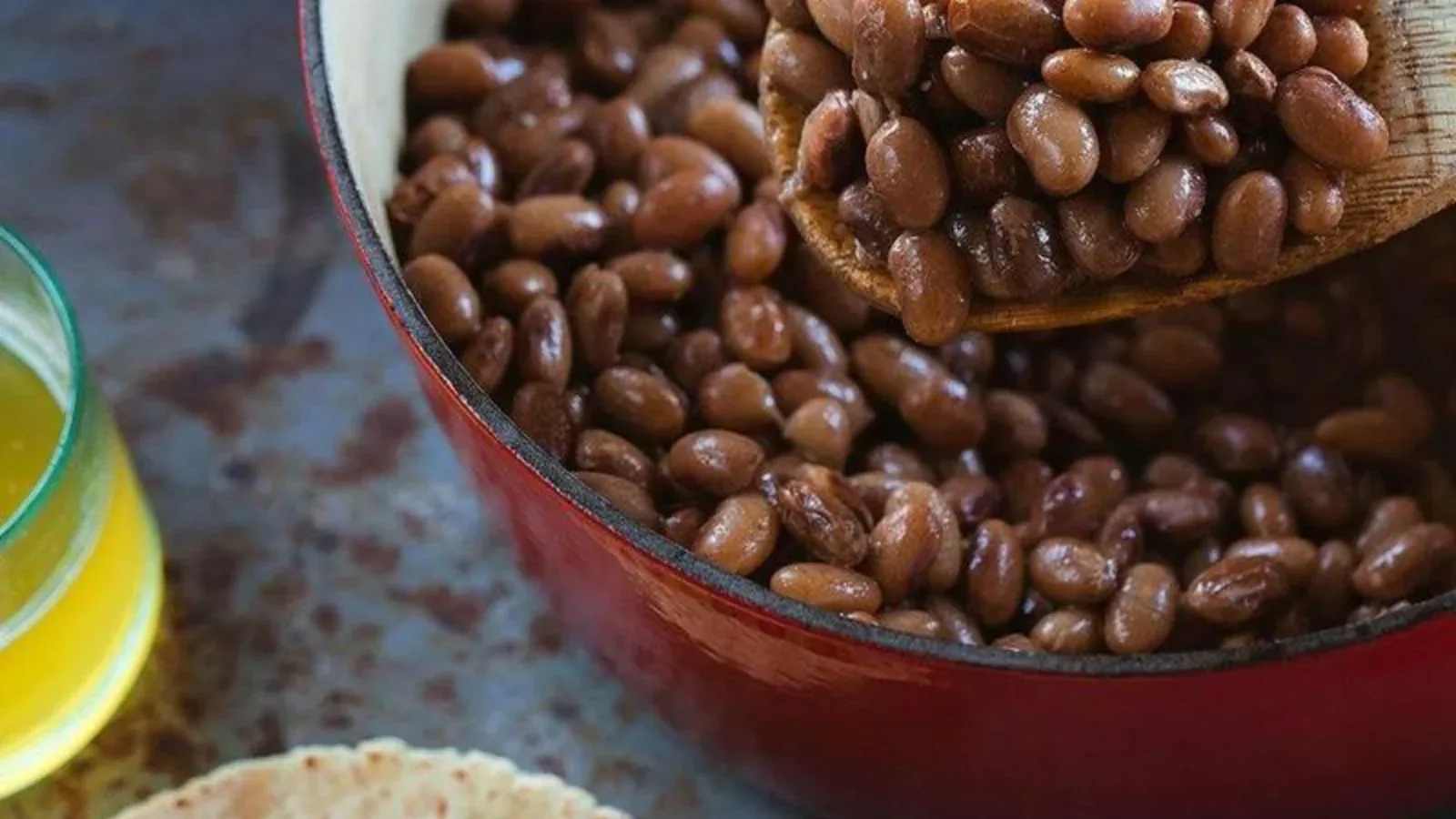
One practical lesson from source recipes like this is that the beans need room to cook without drying out. As the pot simmers, some liquid disappears and some gets absorbed, so the cook has to notice when the level is dropping too far.

Too little liquid gives you beans that feel heavy and patchy in texture. Too much can leave the pot watery. The useful middle is a broth that still moves around the beans and coats the spoon without feeling like plain bean water.

is why occasional checks matter more than rigid perfection. Add hot water if the beans are exposed too early, then let the pot settle again before you judge the final texture.

How to Make Frijoles de la Olla That Stay Brothy and Well Seasoned
03

Time the salt so the pot tastes finished instead of patched together

Salt timing shapes whether the beans taste seasoned all the way through or only on the outside. Waiting until the last second often creates a pot where the broth improves but the beans still taste flat in the middle.

The safer move is to start tasting seriously once the beans are close to tender. At that stage, the pot has enough bean flavor to tell you what it needs, and the seasoning has time to settle in before serving.

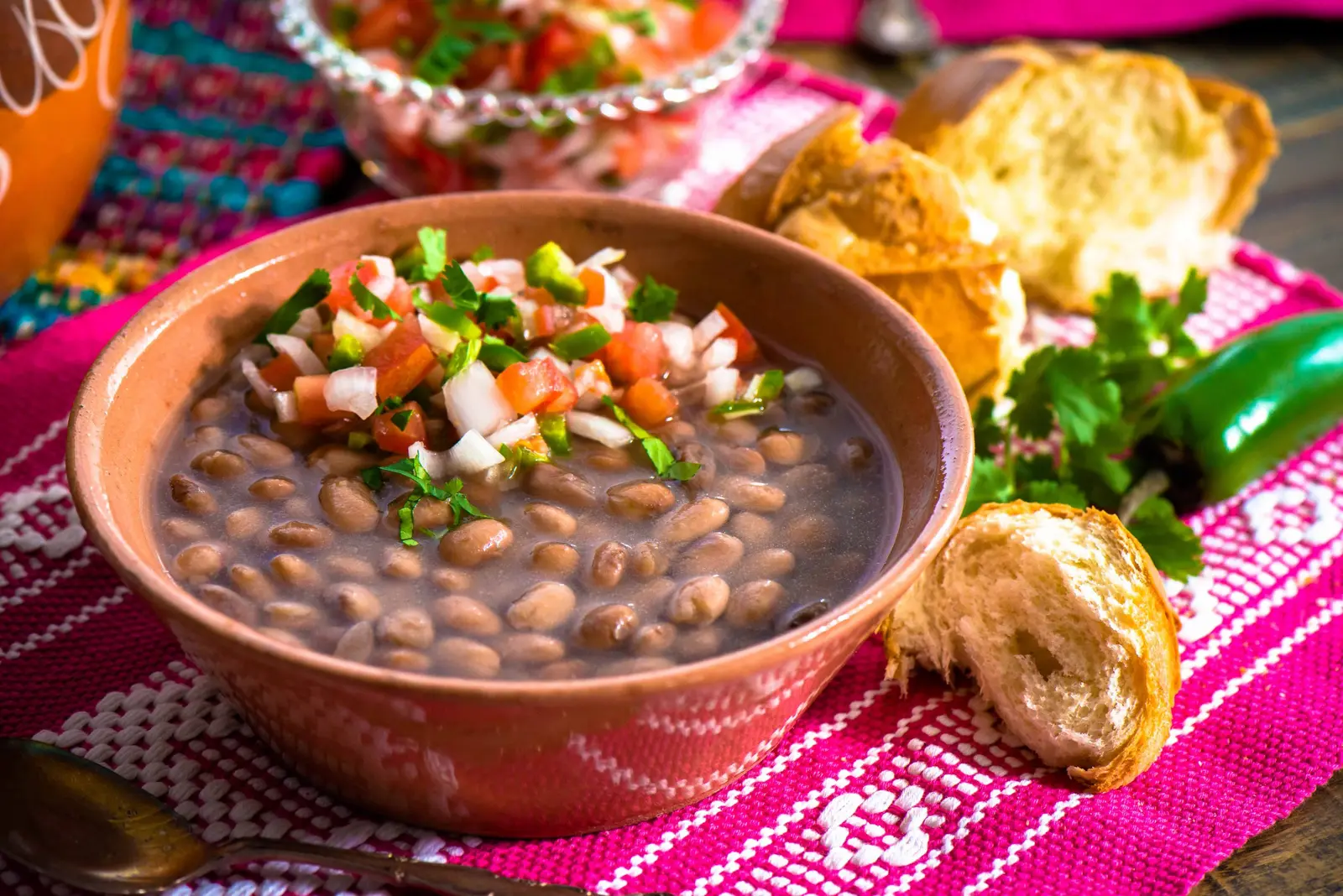
You are looking for a pot that tastes calm and complete, not aggressively salty. The broth should support rice, tortillas, or a simple bowl without needing a rescue shower of table salt.

How to Make Frijoles de la Olla That Stay Brothy and Well Seasoned
04

Finish with serving plans in mind so the pot stays flexible

Frijoles de la olla are at their best when they fit more than one job. The first meal may be a side dish, but the same pot often supports bowls, eggs, or refried beans later.

is another reason to keep the broth balanced. Beans that are too dry lose flexibility, while beans with a useful broth can be served directly now and reduced later if you want a thicker second-life texture.

If you know the leftovers matter, cool and store some broth with the beans instead of separating everything. The next meal will reheat more cleanly and taste more like a planned continuation than a leftover rescue.

FAQ

Frequently asked questions

01Should frijoles de la olla be soupy or thick?

They should be brothy enough that the liquid still matters in the bowl, but not so watery that the beans feel disconnected from it. Think spoonable pot beans, not dry beans and not bean soup.

02When should I salt frijoles de la olla?

Do your main salt adjustment once the beans are close to tender and the broth already has real flavor. That timing makes it easier to season the whole pot instead of only the surface.

03Can I use these beans for other meals later?

Yes. A well-finished pot should work as a side dish first and still be useful for bowls, eggs, or refried beans the next day.

04Why does my bean broth taste flat even when the beans are soft?

Usually because the liquid never had enough seasoning attention. If the broth did not spend enough time with aromatics, concentration, and a final salt check, the beans can be tender while the pot still tastes unfinished.