How to Mix Homemade Taco Seasoning Without the Flat Packet Flavor
Kitchen guide

How to Mix Homemade Taco Seasoning Without the Flat Packet Flavor

Help home cooks mix a cleaner taco seasoning from pantry spices, use the right amount per pound, and avoid the dusty one-note taste that makes taco meat feel generic.

Arizona kitchens, cuts, and counter know-how
Published May 18, 2026
Briefing

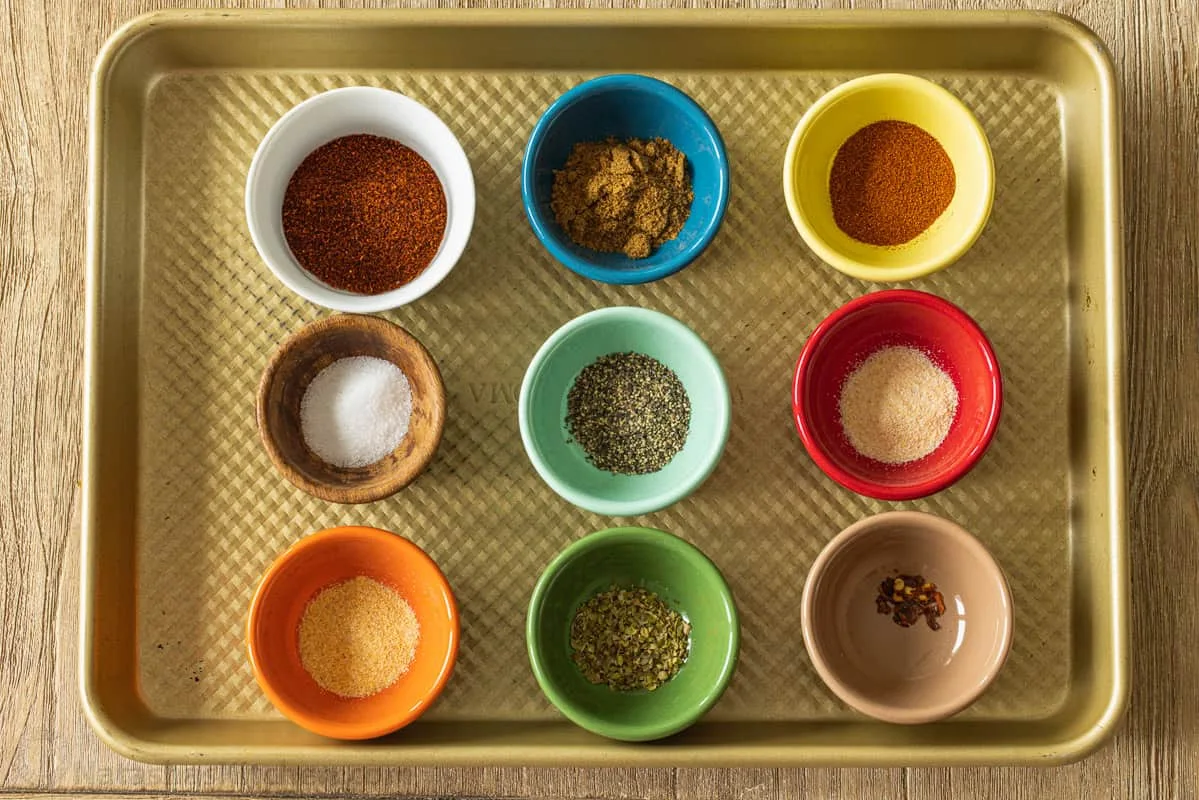
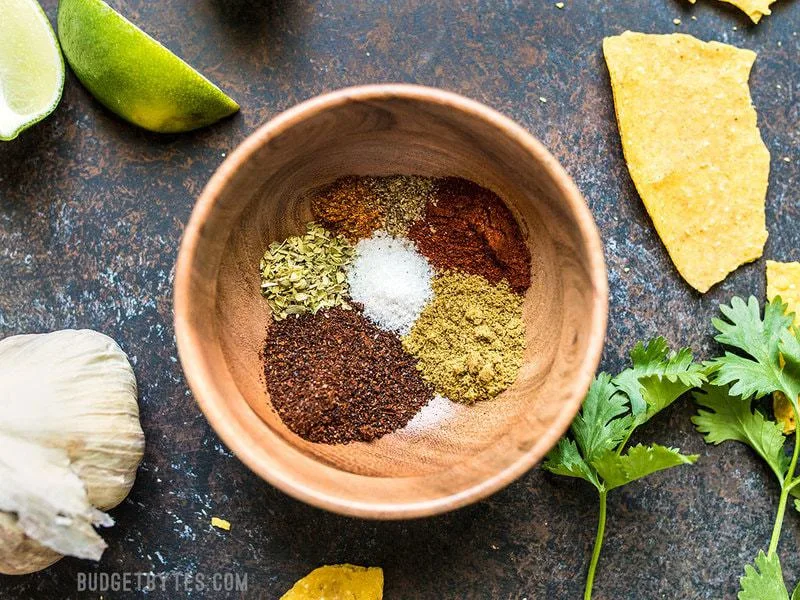
A homemade mix fixes that when you treat it as a small pantry formula instead of a mystery shortcut. Garlic powder, onion powder, ground chile, salt, and pepper do most of the work. Cumin and oregano can help, but they should support the meat instead of taking over the whole skillet.

a useful starter ratio. The practical goal here is the practical decisions that matter more at home: which spices deserve the biggest share, how much to use per pound, when to season in stages, and which dishes actually benefit from the mix.

Homemade Taco Seasoning to Replace a Store-bought Package

Skip the store-boughttaco seasoningand make your own with myhomemade taco seasoning recipe! It's so easy to make with ...

  • Channel: Sugar Spun Run

Video source: Sugar Spun Run

Rapid read

Key takeaways

  • 01Let chile, onion, and garlic lead the blend if you want taco seasoning that tastes more like food and less like a packet.
  • 02Use cumin lightly, because too much makes the mix muddy fast.
  • 03Start around 1 tablespoon per pound for lighter dishes and move closer to 2 tablespoons only when the meat or beans can carry it.
  • 04Season in layers with a splash of water or broth so the spices coat the meat instead of clumping in dry patches.
01

Build the blend around chile, onion, and garlic first

is part of why the mix works. Garlic powder and onion powder create the familiar taco-house backbone, while ground chile brings the flavor that packet blends often bury under starch and anti-caking filler.

For Miranchito readers, the practical point is simple: start with spices that still taste clear on browned meat. If the mix smells mainly like cumin before it even hits the pan, it is already drifting away from the cleaner profile most home cooks want.

Ancho or another mild red chile is a better first choice than reaching straight for pure heat. You can always push the skillet hotter later with chipotle, cayenne, or salsa, but it is harder to rescue meat that already tastes sharp and dusty from the first spoonful.
How to Mix Homemade Taco Seasoning Without the Flat Packet Flavor
02

Go light on cumin so the seasoning stays clean

the restraint with cumin. Many homemade mixes overload it because people expect taco seasoning to smell strong in the jar. The problem is that a heavy cumin hand can flatten the finished meat and make different fillings all taste the same.

A smaller amount keeps the blend recognizable without turning every taco night into the exact same flavor. Oregano works the same way. It can add a faint herbal edge, but it should not fight for attention in a quick weeknight skillet.

If you cook carne molida, picadillo, beans, or shredded chicken on repeat, this lighter approach gives you room to finish each pan differently with lime, salsa, tomato, or broth instead of locking every batch into one stale profile.

How to Mix Homemade Taco Seasoning Without the Flat Packet Flavor
03

Measure by the pound, then season in stages

which is a useful range instead of one rigid answer. Ground beef with onions can usually handle more. Beans, potatoes, or lean chicken often taste better when you begin closer to 1 tablespoon and adjust after a quick taste.

Do not dump the whole amount into a dry pan and hope it spreads evenly. Brown the meat first, drain only if needed, then stir in the seasoning with a small splash of water, stock, or tomato so it coats the food and forms a light sauce instead of sticking in bitter pockets.

This layered approach also keeps the salt easier to control. If your broth, canned tomatoes, or salsa already bring sodium, you can stop short of the heaviest seasoning amount and still end up with a fuller taco filling.

How to Mix Homemade Taco Seasoning Without the Flat Packet Flavor
04

Store it dry, but do not mix more than you will actually use

A jarred seasoning mix is convenient, but convenience is not the same as indefinite freshness. The storage advice is straightforward: use an airtight container and keep it in a cool, dry place. is enough for most kitchens.

Still, the better home-cook move is to mix a batch sized for the next several weeks or a few taco nights, not for half a year of neglect. Ground spices lose edge over time, and a huge jar can drift toward the same faded flavor problem that made the packets disappointing in the first place.

If your kitchen runs hot or humid, keep the lid tight and use a dry spoon. Small handling habits matter more than expensive containers when you are trying to keep a simple spice mix lively.

05

Use the blend where it helps, not everywhere by default

picadillo, fajitas, carnitas, and arroz con pollo as places the seasoning can work. list is useful, but not every dish needs the exact same blend. Ground beef tacos and breakfast potatoes welcome the shortcut more naturally than a long-simmered stew that already builds flavor another way.

Homemade taco seasoning is strongest when it speeds up weeknight cooking without erasing the character of the dish. It makes sense for quick skillet fillings, bean-and-meat mixtures, roasted vegetables for tacos, or a fast pan of rice. It makes less sense when you already have a marinade, adobo, or salsa doing the flavor work for you.

Think of the jar as a house helper, not a universal answer. The goal is faster flavor with more control, not turning every meal into the same taco profile.

FAQ

Frequently asked questions

01How much homemade taco seasoning should I use per pound of meat?

Start with about 1 tablespoon per pound for lighter dishes and move toward 2 tablespoons only if the meat, beans, or vegetables still taste under-seasoned after a quick simmer.

02Why does homemade taco seasoning sometimes taste dusty or flat?

Usually because the mix leans too hard on cumin, old spices, or dry seasoning dumped straight into the pan. A chile-forward blend plus a splash of liquid gives a cleaner result.

03Can I use homemade taco seasoning for more than ground beef tacos?

Yes. It works well in beans, breakfast potatoes, shredded chicken, picadillo-style skillets, and simple rice dishes as long as you adjust the amount to the food instead of treating every pan the same.

04How long does homemade taco seasoning keep?

It keeps best for a few months in an airtight jar stored away from heat and steam, but the flavor stays sharper if you mix smaller batches that turn over regularly.