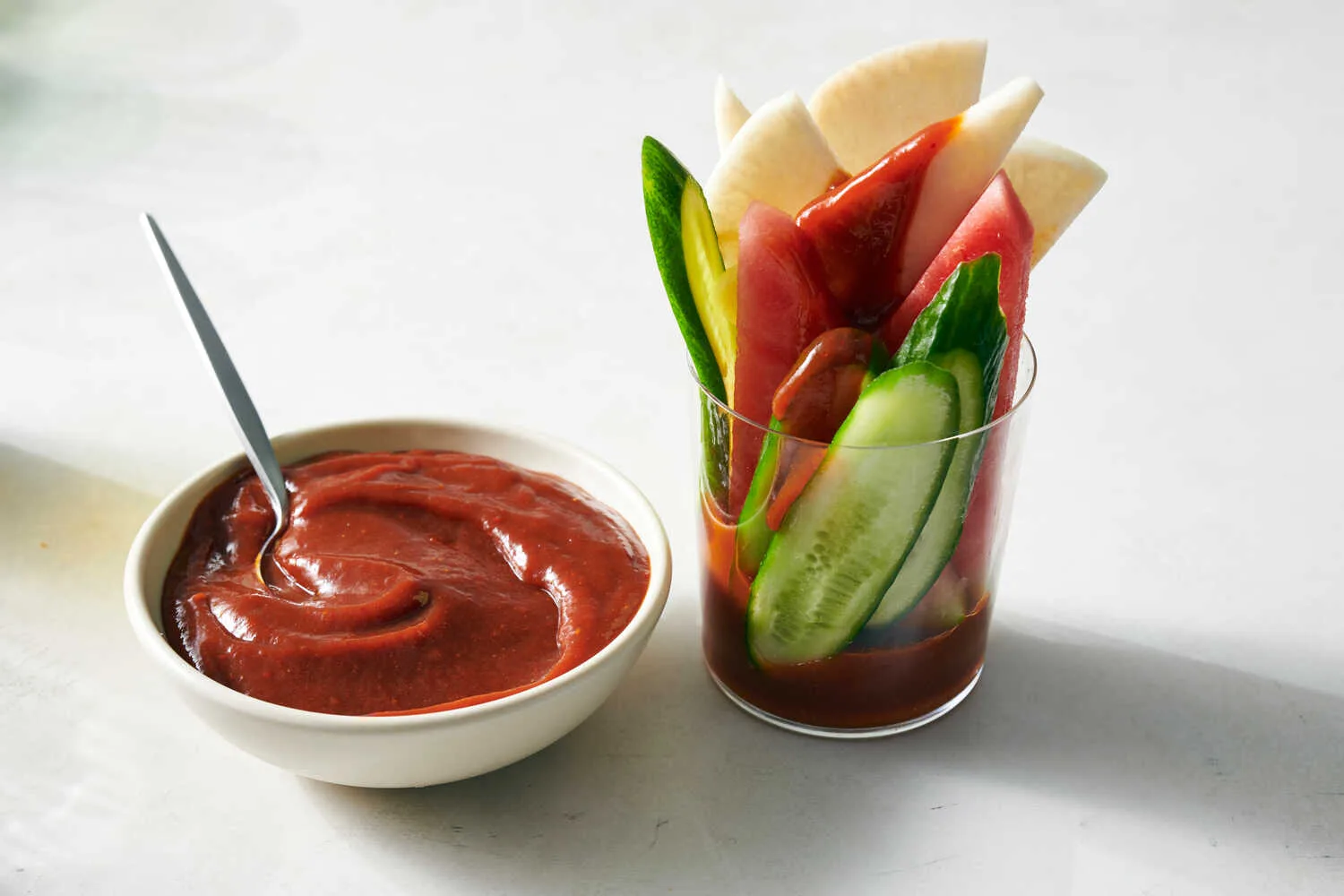
How to Make Homemade Chamoy for Fruit, Snacks, and Rim Dips
Kitchen guide

How to Make Homemade Chamoy for Fruit, Snacks, and Rim Dips

Help home cooks make a homemade chamoy that tastes bright instead of muddy and that actually clings to fruit, snacks, and drink rims the way they expect.

Arizona kitchens, cuts, and counter know-how
Published May 20, 2026
Briefing

The easiest way to get there is to treat texture and flavor as the same job. Soften the fruit base enough to blend smooth, keep the chile level assertive but not punishing, and finish with enough lime and salt that the sauce still wakes up fresh fruit or a cold drink rim instead of just coating it.

How I Make the BEST Homemade CHAMOY, perfect compliment to all of your ANTOJITOS

Hello my beautiful fam!! Welcome to the heart of my home, my kitchen!!!!! ♥️ ❤️ It's another beautiful day and today im ...

  • Channel: Cooking Con Claudia

Video source: Cooking Con Claudia

Rapid read

Key takeaways

  • 01Soften the dried fruit base completely before blending or the sauce will stay rough and uneven.
  • 02Balance the heat with lime and salt because chamoy should taste bright, not just sweet and spicy.
  • 03Aim for a syrupy texture that clings to mango, cucumber, candy, or a glass rim without running off.
  • 04Use chamoy as a finishing sauce for fruit and snacks rather than hiding everything under a heavy pour.
01

Start with a fruit base that can blend into a real sauce

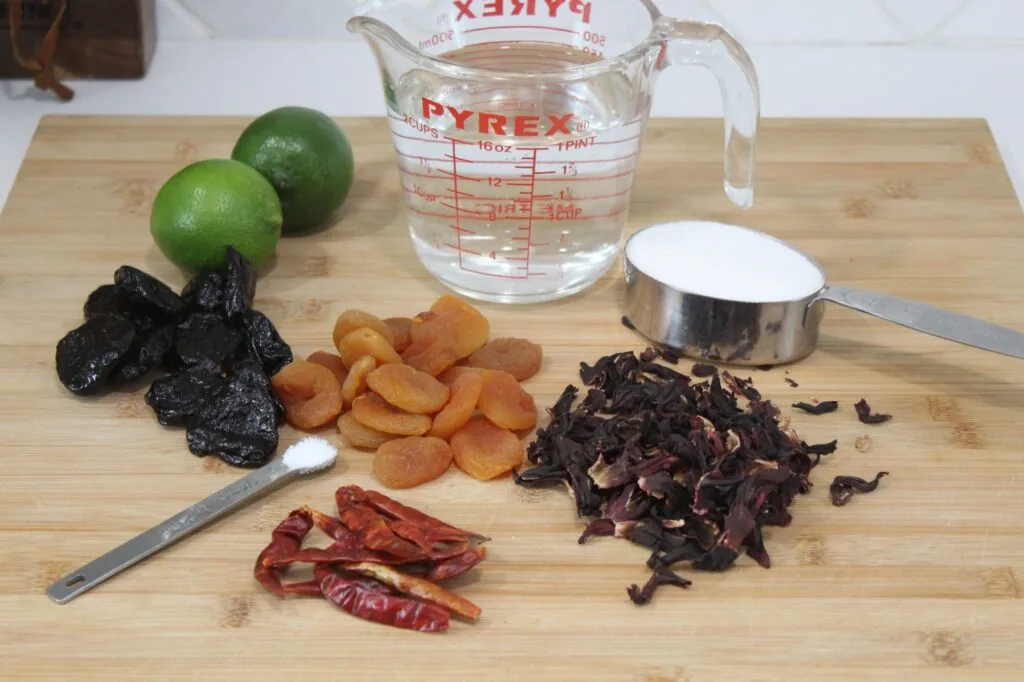
Chamoy gets much better once the fruit base is treated like the backbone of the sauce instead of a background ingredient. If the fruit stays tough or under-softened, the final blend never really turns silky, and the whole batch feels rough on the tongue.

is why the first decision is patience. Give the dried fruit enough time to soften fully, then blend until the base stops feeling chunky. The smoother that start is, the easier it becomes to dial in the sour and spicy parts later without chasing texture problems the whole time.

A good chamoy should pour, spoon, and coat. It should not feel like fruit paste thinned with random liquid.
How to Make Homemade Chamoy for Fruit, Snacks, and Rim Dips
02

Use chile, lime, and salt to sharpen the fruit instead of burying it

It is supposed to taste sweet, sour, spicy, and salty at once. If one side dominates, the result stops tasting like chamoy and starts tasting like candy syrup or hot sauce with fruit in it.

Lime and salt do more work than people expect. They keep the fruit from tasting flat and stop the chile from landing dull or heavy. matters most when the sauce is headed for cold fruit, frozen bars, or a rim where every drop tastes concentrated.

Taste in small adjustments. Chamoy usually gets better through short corrections, not one giant squeeze of lime or a late dump of extra chile.

How to Make Homemade Chamoy for Fruit, Snacks, and Rim Dips
03

Keep the finished texture thick enough to cling

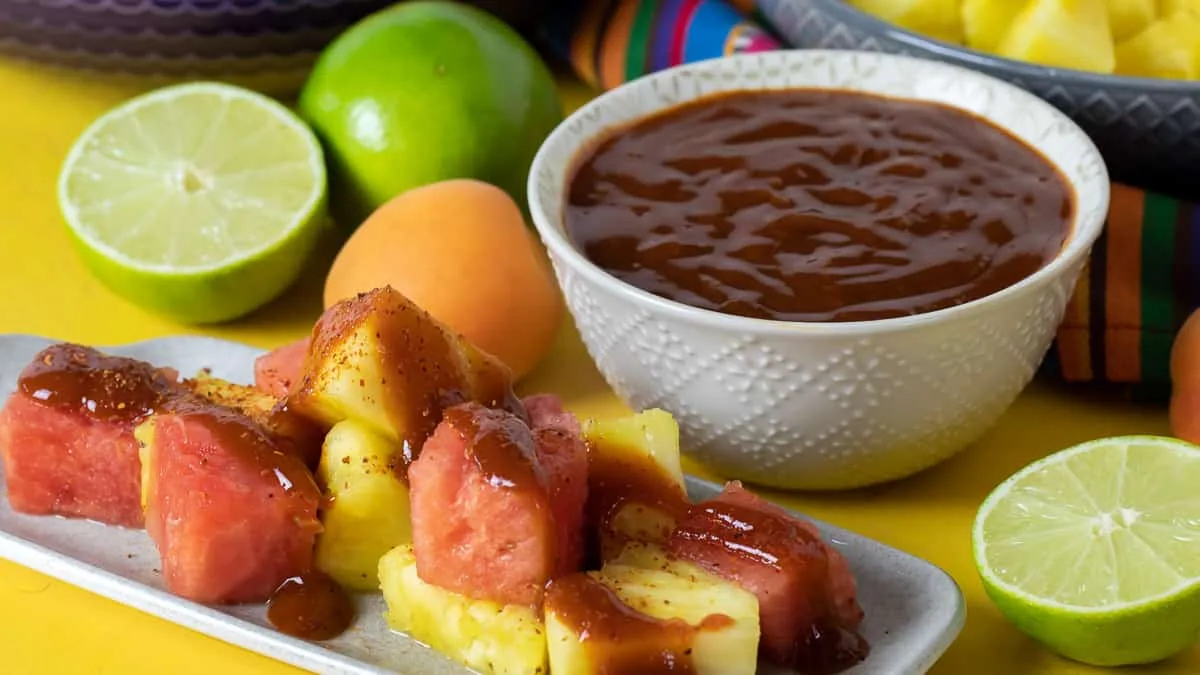
A watery chamoy can still taste good in the blender, but it fails once it touches fruit or a drink rim. It slips to the bottom instead of staying where you wanted the flavor. is why the target texture is syrupy and spoonable, not loose like juice.

You want a sauce that drapes over mango or cucumber and leaves a visible coat without turning gummy. The same rule helps with rim dips because the chamoy needs enough body to hold the seasoning instead of dripping down the glass before the first sip.

If the batch feels too loose, reduce it carefully or let it settle before adjusting again. The practical goal is cling, not heaviness.

How to Make Homemade Chamoy for Fruit, Snacks, and Rim Dips
04

Use chamoy where its contrast still shows up clearly

Chamoy is strongest when the thing underneath still has its own clean flavor. Fresh fruit, crunchy snacks, frozen bars, and simple drink rims all work because the sauce adds contrast instead of trying to carry the entire bite by itself.

is also why lighter drizzling usually beats flooding the plate. A smaller amount lets the sweet-sour heat hit first while the fruit or snack keeps its own texture and identity.

Think of chamoy as a finishing move. It is there to wake up what you are serving, not smother it.

FAQ

Frequently asked questions

01What makes homemade chamoy taste right?

It should taste sweet, sour, spicy, and salty at the same time. If it only tastes sugary or only tastes hot, the balance is off.

02Why is my chamoy too thin?

Usually because the fruit base has too much liquid or the sauce has not been reduced enough. Chamoy should be syrupy enough to cling to fruit and rims.

03What do people usually put chamoy on?

Fresh fruit, fruit cups, frozen treats, snack mixes, and drink rims are the most practical everyday uses because the sauce can stay noticeable without taking over.

04Can homemade chamoy be too spicy?

Yes. If the chile level buries the fruit and lime, the sauce stops feeling bright. It is better to build the heat gradually and keep the sour-salty edge intact.