Easy Flank Steak Fajitas Recipe — Better Than Restaurant Style
Kitchen guide

Easy Flank Steak Fajitas Recipe — Better Than Restaurant Style

Help visitors handle Easy Flank Steak Fajitas Recipe — Better Than Restaurant Style with a clear, practical checklist grounded in real examples.

Arizona kitchens, cuts, and counter know-how
Published July 14, 2026
Briefing

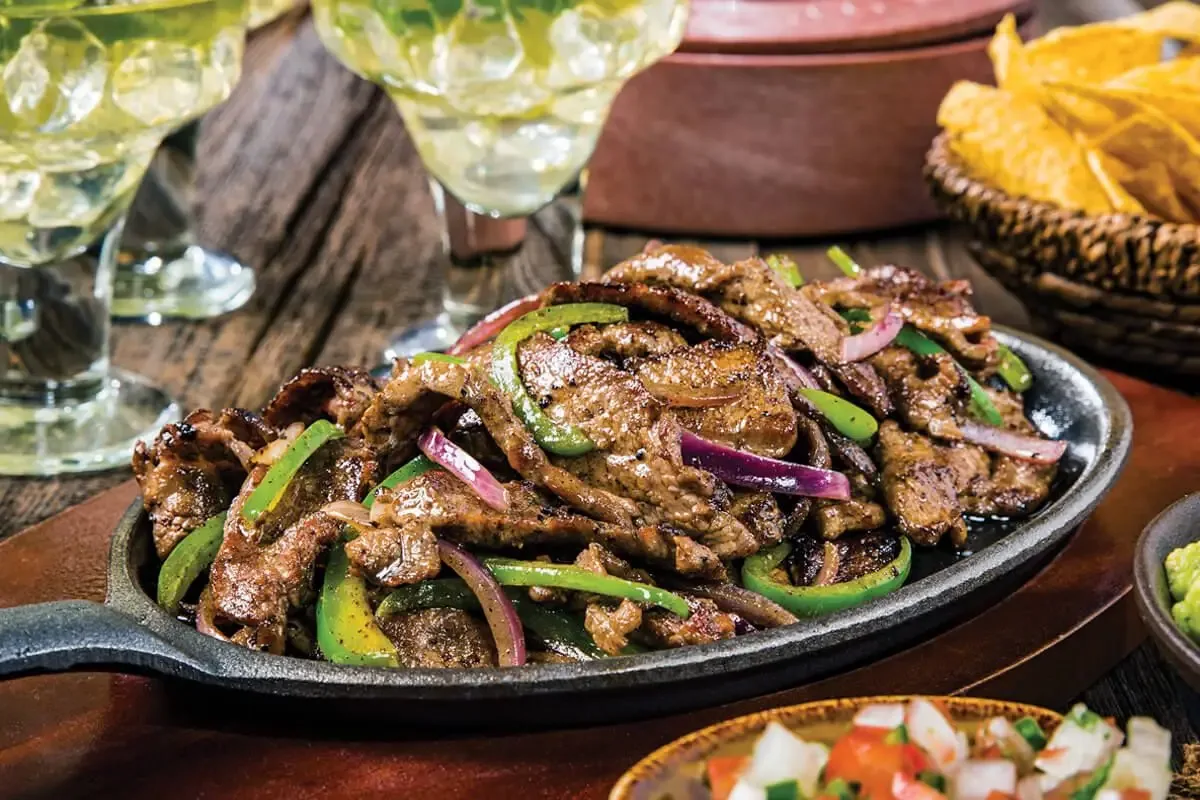
Fajitas as we know them today are considered Tex-Mex, with roots along the Texas–Mexico border. They grew out of Northern Mexican cooking traditions, where simple cuts of beef were cooked over high heat and served with flour tortillas. While not a traditional Mexican dish in the strictest sense, fajitas are deeply connected to Mexican flavors, techniques, and the culture of sharing food around the table. This guide helps you skip the heavy marinades and focus on perfectly cooked beef, tender peppers, and warm tortillas for a result that tastes better than the restaurant version.

The BEST STEAK FAJITAS You Can Make at Home!

Hello, my beautiful fam!! Welcome back to my kitchen first of all I want to thank you for being part of our family, and allowing me to ...

  • Channel: Cooking Con Claudia

Video source: Cooking Con Claudia

Rapid read

Key takeaways

  • 01Easy is easier to study when it is tied to a concrete directing choice instead of treated as style decoration.
01

To make fajitas that rival the best restaurants, it helps to understand what you’re making. Fajitas originated from Northern Mexican cooking traditions, where simple cuts of beef were cooked over high heat and served with flour tortillas. This context matters because it dictates the technique: high heat, fast cooking, and minimal fuss. By focusing on these core principles, you move away from vague intentions and toward a clear, actionable plan: skip the heavy marinades and let the quality of your ingredients shine.

The key to success lies in respecting the simplicity of the dish. It isn't about complex spice blends or hours of prep; it's about the interaction between high heat, quality meat, and fresh vegetables. When you approach the recipe with this mindset, you ensure that every step serves the final goal: tender, flavorful beef and crisp-tender peppers.

  • 01Confirm that you understand fajitas are a high-heat, fast-cooking dish rooted in Tex-Mex tradition.
  • 02Focus on the quality of your primary ingredient (the steak) rather than overcomplicating the seasoning.
  • 03Stop if you feel tempted to over-marinade; the goal is a quick sear, not a long soak.
Easy Flank Steak Fajitas Recipe — Better Than Restaurant Style
02

The star of the show is the beef. Flank steak is a lean, affordable cut that is perfect for steak fajitas. Its long muscle fibers absorb marinade well and cook quickly, making it ideal for achieving a flavorful sear while staying tender. Unlike skirt steak, which can be tricky to find in some supermarkets, flank steak is widely available and forgiving if you pay attention to how you slice it.

Equally important are the aromatics. Garlic is non-negotiable for depth; fresh garlic adds the best flavor, but jarred minced garlic works in a pinch if you’re in a rush. If using jarred, choose one packed in oil for a richer taste. Don’t forget the acid: fresh lime juice makes a big difference, brightening the steak and balancing the savory richness of the beef and charred vegetables.

For the vegetables, a mix of colorful bell peppers adds sweetness, texture, and that classic fajita look. Green onions contribute a mild, fresh flavor and caramelize beautifully when sautéed. You can substitute them with sliced white or yellow onions if green onions aren't available, but the distinct oniony bite they provide is worth seeking out.

  • 01Identify flank steak as the primary protein due to its affordability and ability to hold a good sear.
  • 02Prioritize fresh garlic and lime juice over dried substitutes for maximum flavor impact.
  • 03Select a variety of bell peppers to add visual appeal and balanced sweetness to the dish.
Easy Flank Steak Fajitas Recipe — Better Than Restaurant Style
03

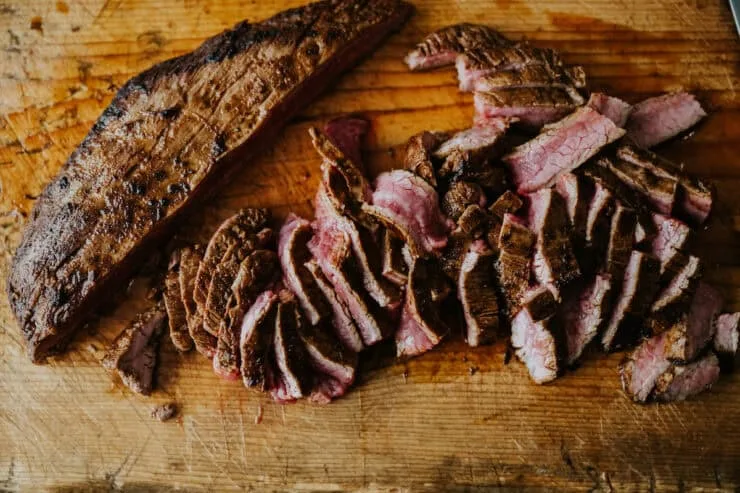
Turning this recipe into a reliable routine means prepping your station before you turn on the stove. Start by slicing your flank steak thinly against the grain. This step is crucial for tenderness; cutting against the shortens the muscle fibers, ensuring each bite is easy to chew rather than tough and stringy. Toss the sliced beef with your chosen seasonings—chili powder, cumin, salt, and pepper—and let it sit while you chop your vegetables.

When it comes to cooking fat, use a neutral oil with a high smoke point, such as avocado, grapeseed, or canola oil. This allows you to get the pan sufficiently hot for a proper sear without burning the oil. Heat your skillet or griddle until it’s shimmering hot before adding the meat. The goal is to get a deep brown crust on the steak, which takes only a few minutes per side.

While the steak rests, use the same pan to sauté your peppers and onions. The residual beef flavor left in the pan will infuse the vegetables, creating a cohesive dish. Finish everything with a squeeze of fresh lime juice right before serving to lift all the flavors.

  • 01Anchor your prep routine around slicing the steak against the grain for optimal tenderness.
  • 02Choose a neutral oil with a high smoke point to ensure a proper sear without bitterness.
  • 03Explain how to utilize the same pan for both meat and vegetables to maximize flavor transfer.
Easy Flank Steak Fajitas Recipe — Better Than Restaurant Style
04

The hardest limit to manage in fajitas is heat control. You need enough heat to char the exterior of the meat and vegetables, but not so much that you burn them before the inside is cooked. Start by checking that your pan is adequately heated; if the oil shimmers but doesn't smoke excessively, you’re in the right zone.

Separate the must-do actions from the nice-to-haves. Searing the steak correctly is a must-do; adding extra garnishes is a nice-to-have. Avoid advice that suggests low-and-slow cooking for flank steak, as this will result in tough, chewy meat. Instead, embrace the high-heat method for a quick, vibrant result.

Bell peppers release water as they cook, which can lower the pan temperature. To counteract this, don’t overcrowd the pan. Cook in batches if necessary. If the peppers start to steam instead of sizzle, you have too much moisture in the pan. Finish with one practical step: once the steak is cooked to your liking, remove it from the pan and let it rest for five minutes before slicing. This allows the juices to redistribute, keeping the meat moist.

  • 01Check that your pan is hot enough to create a sear without burning the oil.
  • 02Separate the critical step of resting the meat from optional garnishing choices.
  • 03Avoid low-heat methods that lead to tough, steamed meat instead of a charred sear.
05

Most fajita mistakes happen when reasonable tips are applied incorrectly. A common error is slicing the steak with the grain, which results in chewy, difficult-to-eat strips. Another frequent issue is overcooking the meat. Flank steak cooks very quickly; going beyond medium-rare to medium can dry it out significantly.

Watch for signs that your cooking process is failing. If your peppers are soggy instead of slightly charred, your pan wasn’t hot enough, or you added too much salt too early, drawing out moisture. If your steak is gray and tough, you likely used too much oil or didn’t let the pan get hot enough before adding the meat.

Stop and reassess if you find yourself waiting for the meat to cook slowly. Fajitas are a fast-cook dish. If you’re spending more than 15-20 minutes total active cooking time, something is off with your heat or batch size. Remember, flour tortillas should be warmed, not fried, unless you’re making chimichangas. Warm them in a dry pan or directly over a gas flame for a light char.

  • 01Confirm that you are slicing the steak against the grain to ensure tenderness.
  • 02Check that your cooking time is short; prolonged cooking leads to dry, tough meat.
  • 03Ensure your tortillas are simply warmed to maintain their pliability and flavor.
06

Before you call it done, perform a final check on your components. Are the steak slices uniform? Are the peppers tender-crisp? Is the seasoning balanced? These easy steak fajitas come together quickly, but the final presentation matters. Warm your flour tortillas thoroughly; cold tortillas can crack and won’t hold the filling properly.

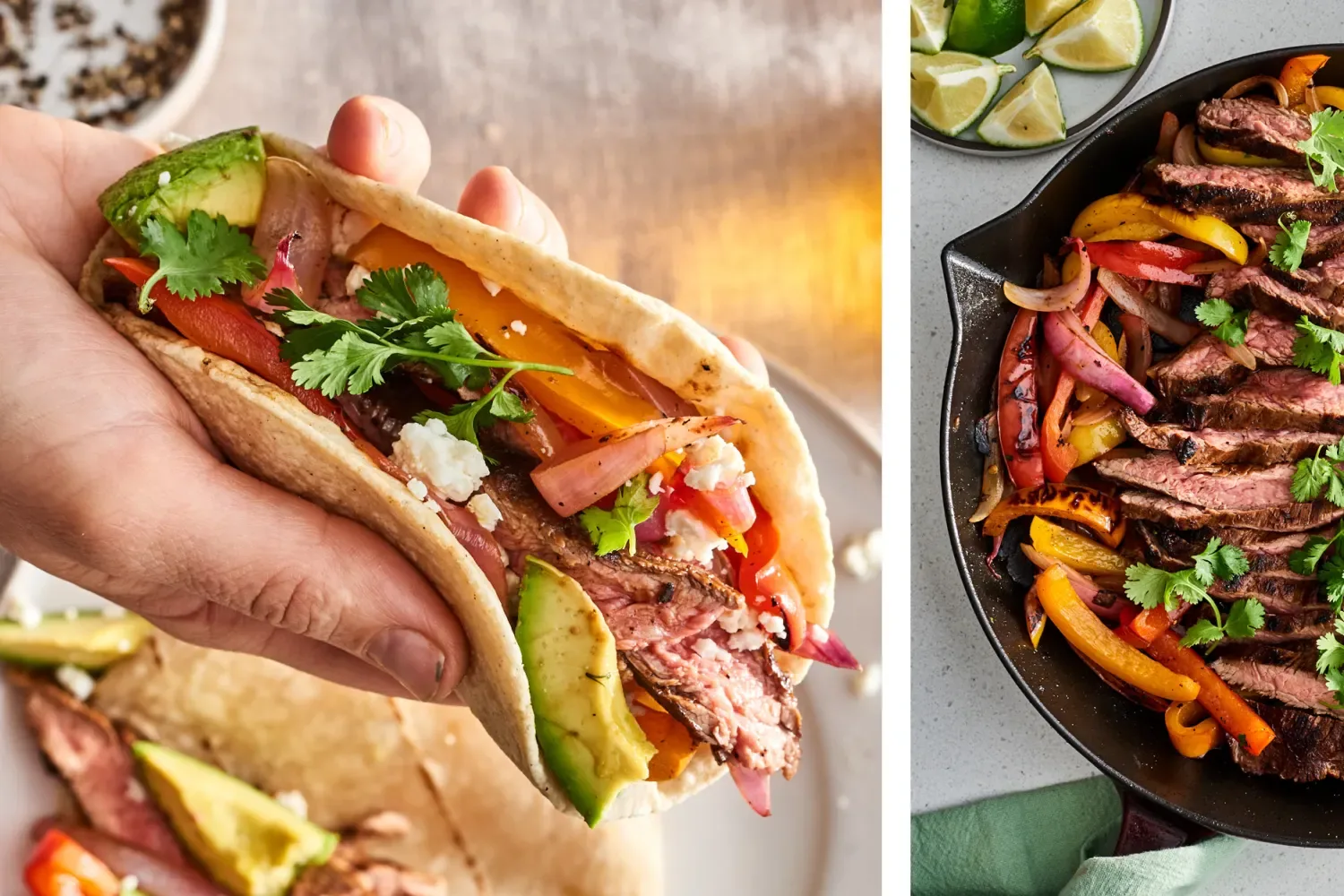
Keep your topping choices simple and complementary. Serve with chunky guacamole, pico de gallo, shredded cheese, or even chimichurri sauce. Mix and match based on what you love, but don’t overwhelm the beef. The goal is to highlight the charred flavor of the steak and the sweetness of the peppers.

If the dish still feels vague, reduce it to one next action: squeeze fresh lime over everything just before serving. This acidic punch ties all the rich, savory, and sweet elements together. Once you’ve tasted that final brightness, you’ll know you’ve achieved that better-than-restaurant-quality result.

  • 01Identify that fresh lime juice is the final touch that elevates the entire dish.
  • 02Ensure tortillas are warm and pliable to serve as the perfect vessel.
  • 03Limit toppings to those that complement rather than mask the primary flavors.

FAQ

Frequently asked questions

01Why is my flank steak tough?

Your flank steak is likely tough because you sliced it with the grain instead of against it. Always slice thin strips perpendicular to the direction of the muscle fibers to ensure tenderness.

02Can I use skirt steak instead of flank steak?

Yes, skirt steak is the traditional cut for fajitas and has a more intense beef flavor. However, flank steak is more readily available and slightly easier to handle for beginners. Both benefit from high-heat, fast cooking and slicing against the grain.

03How do I prevent my peppers from becoming soggy?

Soggy peppers usually result from overcrowding the pan or cooking at too low a temperature. Ensure your pan is very hot before adding vegetables, cook in batches if necessary, and avoid adding salt until the end to prevent drawing out excess moisture.